Sending money digitally has become second nature, but one question quietly shapes every tap and transaction: is it safe? Platforms like Cash App and Zelle have made moving money effortless, yet their security models differ in ways that matter more than most users realize. While both services are widely used and backed by legitimate infrastructure, safety isn’t just about encryption or login screens. It’s about how each platform handles risk, mistakes, fraud, and human behavior. This comparison goes deeper than surface-level features. It explores how Cash App and Zelle actually protect your money, where vulnerabilities exist, and what you need to understand before deciding which one feels safer in real-world use.
A: Both can be safe when used correctly, but neither is safe for careless payments or stranger transactions.
A: It can feel safer for bank users, but scams and mistaken transfers can still happen.
A: Not necessarily; security depends heavily on account habits, recipient trust, and how carefully the app is used.
A: Both are risky for that purpose because recovering funds can be difficult.
A: Only send money to people you know and verify the recipient before confirming.
A: Often no, especially if you authorized the transfer yourself.
A: They can be, especially when scammers create urgency or impersonate trusted contacts or institutions.
A: Clear alerts, strong login habits, trusted recipients, and careful review before sending all help.
A: That is usually not the safest move unless the seller is fully verified and trusted.
A: Use strong account security, ignore pressure tactics, and treat every payment like cash you may not get back.
Built on Different Foundations: App vs Bank Network
At the core of the security conversation is a fundamental difference in how these platforms are built. Cash App operates as a standalone financial application, creating its own ecosystem where users hold balances, send payments, and manage transactions within the app itself. This structure gives Cash App more control over user accounts, internal safeguards, and layered protections.
Zelle, by contrast, is not a standalone financial platform. It functions as a network embedded within traditional banking systems. When you use Zelle, you are essentially instructing your bank to send money directly to another bank account through the Zelle network. This means security is heavily tied to your bank’s infrastructure rather than a separate app environment.
This distinction shapes everything that follows. Cash App behaves more like a digital wallet with its own rules, while Zelle behaves like a direct extension of your bank account. Neither approach is inherently safer, but they introduce very different types of risk.
Encryption and Technical Security: Strong on Both Sides
From a purely technical standpoint, both Cash App and Zelle use modern encryption and security protocols designed to protect user data and transactions. This includes encryption during data transmission, secure login systems, and backend protections that align with industry standards.
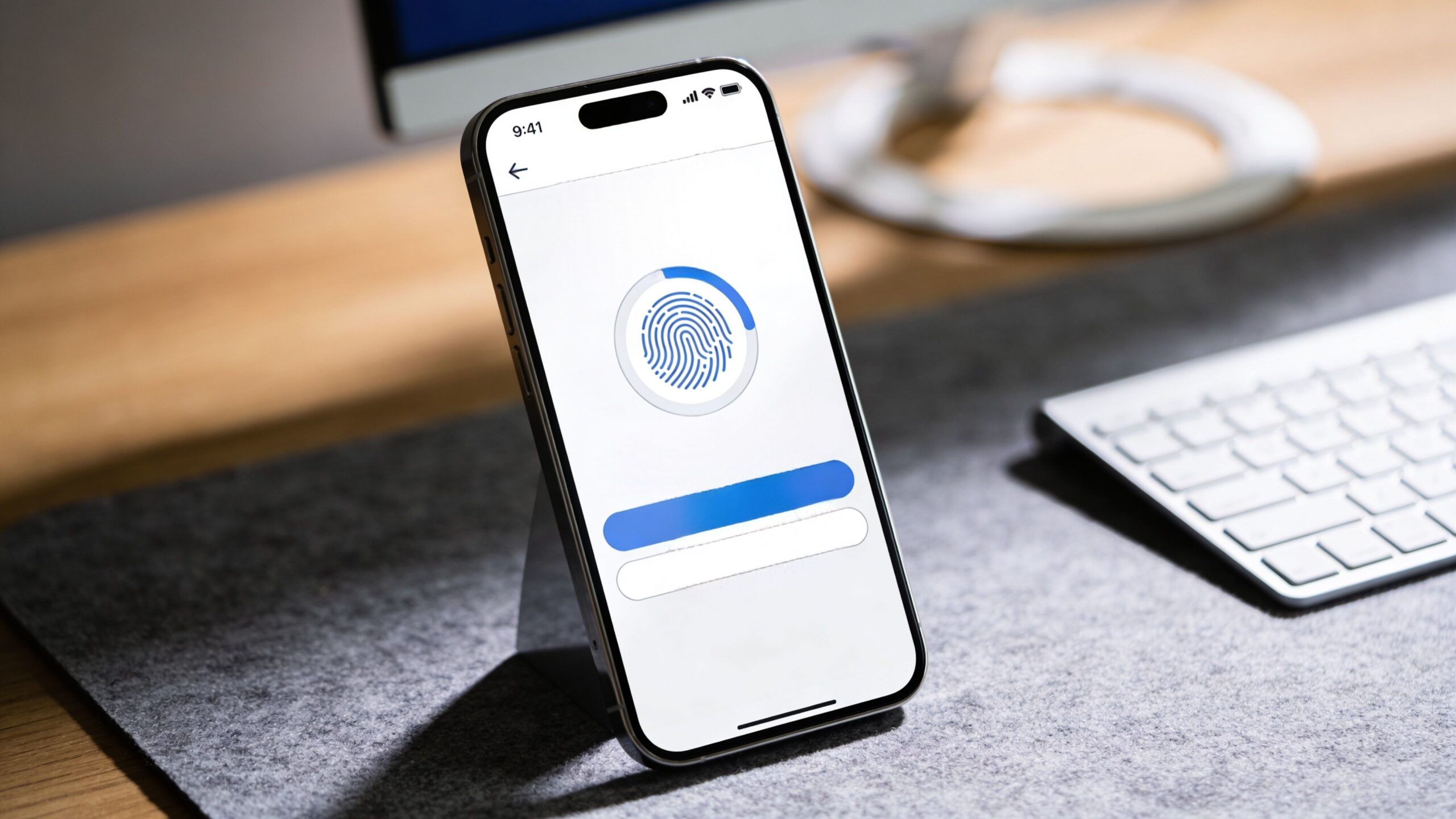
Cash App incorporates features such as PIN entry, biometric authentication like fingerprint or facial recognition, and device-level verification. These layers make it difficult for unauthorized users to access an account without physical control of the device or login credentials.
Zelle benefits from the security infrastructure of major banks, which often includes multi-factor authentication, fraud monitoring systems, and account alerts. Because Zelle transactions are processed through your bank, they inherit the same protections that safeguard your checking account.
On paper, both platforms are highly secure. The real differences in safety emerge not from technology, but from how transactions are handled and what happens when something goes wrong.
The Irreversibility Factor: Where Risk Becomes Real
One of the most critical—and often overlooked—differences between Cash App and Zelle is how they handle completed transactions. Zelle transactions are typically instant and irreversible. Once you send money, it is extremely difficult to recover, even if the payment was sent to the wrong person or under fraudulent circumstances.
This design prioritizes speed and efficiency, but it also places a heavy burden on the user to ensure accuracy. If you mistype an email address or phone number, or if you are tricked into sending money to a scammer, there is often little recourse.
Cash App also processes instant transfers between users, but its structure offers slightly more flexibility. Because funds can sit in a Cash App balance before being withdrawn to a bank, there may be limited opportunities to intervene in certain situations. Additionally, Cash App allows users to request refunds, although these are not guaranteed and depend on the recipient’s cooperation.
In practical terms, Zelle demands absolute certainty before sending money, while Cash App provides a small margin for error—but not enough to rely on as a safety net.
Fraud, Scams, and Human Error
The biggest threat to users on both platforms is not hacking—it’s human behavior. Scams, social engineering, and simple mistakes account for the majority of financial losses in peer-to-peer payment systems.
Zelle is particularly vulnerable in scam scenarios because of its direct bank integration and irreversible transactions. Fraudsters often exploit trust, convincing users to send money under false pretenses. Once the transaction is completed, recovering funds can be extremely difficult, even with bank involvement.
Cash App faces similar challenges, especially given its popularity in informal transactions. Scammers may impersonate legitimate contacts, create fake payment requests, or exploit users unfamiliar with the platform’s features. However, Cash App’s app-based environment sometimes makes it easier to identify suspicious activity before completing a transaction.
Neither platform guarantees protection against scams. The key difference lies in how easily a mistake can be corrected—and in most cases, the answer is that it can’t. This reinforces the importance of verifying recipients and understanding that these platforms are designed for trusted transactions.
Account Protection and User Control
Control over your account plays a significant role in overall security. Cash App offers a range of user-facing controls, including the ability to enable security locks, require PINs for transactions, and receive real-time notifications for account activity. These features give users a sense of direct involvement in protecting their funds.
Zelle’s controls are typically managed through your bank’s app. Depending on your bank, you may have access to advanced security features such as transaction alerts, spending limits, and account monitoring tools. However, the level of control can vary widely between institutions.
Cash App’s centralized design allows for a more consistent user experience across accounts, while Zelle’s bank-dependent model means your experience may differ based on where you bank. For some users, this variability can influence how secure the platform feels in day-to-day use.
Ultimately, both platforms provide tools to protect your account, but the effectiveness of those tools depends on how actively you use them.
Privacy and Data Handling
Privacy is another important dimension of security that often goes unnoticed. Cash App, as a standalone app, collects and manages user data within its own ecosystem. This includes transaction history, account activity, and personal information required for verification.
Zelle operates within the banking system, meaning your data is handled by your bank in addition to the Zelle network. Banks are subject to strict regulatory requirements, which can provide an added layer of oversight in how data is stored and used.
For users concerned about privacy, the difference comes down to trust. Cash App requires trust in a fintech platform, while Zelle requires trust in your bank and its partners. Both systems are regulated and secure, but they represent different approaches to data management.
Everyday Safety: Which Feels More Secure?
When evaluating safety in real-world scenarios, perception matters almost as much as technical reality. Zelle often feels safer to users because it is tied directly to their bank accounts. The familiarity of banking apps and the association with established financial institutions can create a sense of confidence.
Cash App, with its modern interface and broader feature set, may feel less traditional but offers a level of transparency and control that some users prefer. The ability to manage funds within the app, review transactions easily, and control settings directly can enhance the sense of security.
However, feeling safe and being safe are not always the same. Zelle’s bank integration does not protect against user errors, and Cash App’s flexibility does not eliminate the risk of scams. Both platforms require careful use and awareness to maintain security.
The Final Verdict: Safety Depends on How You Use It
The question of whether Cash App or Zelle is safer does not have a one-size-fits-all answer. Both platforms are built on secure technology and are trusted by millions of users. The real difference lies in how they handle transactions, how much control they give users, and how they respond to mistakes. Zelle is best suited for transactions between people you know and trust completely. Its speed and direct bank integration make it efficient, but its irreversible nature demands caution. It is a powerful tool when used correctly, but it offers little protection against errors. Cash App provides more flexibility and user control, which can create a safer experience in certain situations. Its app-based design allows for additional safeguards and a more hands-on approach to managing money. However, it still requires vigilance and does not guarantee recovery from fraud. In the end, safety is less about choosing the right platform and more about using it responsibly. Verifying recipients, avoiding suspicious requests, and understanding how each system works are the most effective ways to protect your money. When used with care, both Cash App and Zelle can be safe tools—but when used carelessly, both can expose you to risk. The smartest approach is not to rely on the platform to keep you safe, but to treat every transaction with the same level of attention you would give to handing someone cash. That mindset, more than any feature or policy, is what truly determines your financial security in the digital age.