

PayPal vs Venmo: Which Is Better for Everyday Payments
Wondering whether PayPal or Venmo is better for everyday payments? This guide breaks down the key differences in fees, security, user experience, and real-world use. From splitting bills with friends to shopping online, discover which app fits your lifestyle and how each platform performs in the moments that matter most in your daily financial routine.
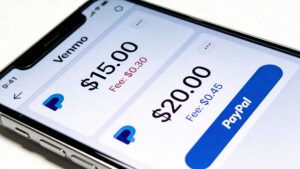
Venmo vs PayPal Fees Explained: What You’re Really Paying
Are Venmo and PayPal really free to use, or are hidden fees quietly adding up? This guide breaks down the true costs behind everyday payments, from instant transfers to credit card charges and business transactions. Discover when each platform charges fees, how those costs impact your wallet, and which app gives you the best value based on how you actually use it.
How PayPal Works: A Beginner’s Guide to Sending and Receiving Money
New to PayPal and not sure how it actually works? This beginner-friendly guide explains how to send and receive money, link accounts, shop online, and avoid common fees. Discover how PayPal simplifies everyday payments while keeping your transactions secure, and learn how to use it confidently as your go-to digital wallet in today’s fast-moving financial world.
How Venmo Works: Everything You Need to Know Before Your First Payment
New to Venmo and wondering how it actually works before your first payment? This beginner-friendly guide walks you through sending and receiving money, managing your balance, understanding fees, and adjusting privacy settings. Discover how Venmo blends social interaction with fast payments, and learn how to use it confidently for everyday transactions with friends, family, and more.
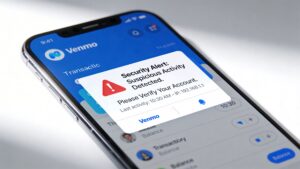
Is Venmo Safe? Security Risks and How to Protect Your Money
Is Venmo really safe to use for everyday payments, or are there hidden risks you should know about? This guide explores Venmo’s security features, common scams, privacy concerns, and simple ways to protect your account. Learn how to use Venmo confidently, avoid costly mistakes, and keep your money secure while enjoying the speed and convenience of digital payments.