As digital payments become a daily habit, convenience often takes center stage. With just a few taps, money moves instantly between friends, family, and even businesses. But with that convenience comes an important question many users ask before fully trusting the platform: is it truly safe? When it comes to Venmo, the answer is not simply yes or no. It depends on how the platform works, how it is used, and how aware you are as a user. Venmo has grown into one of the most widely used peer-to-peer payment apps in the United States, particularly among younger users. Its blend of fast payments and social interaction makes it feel approachable and easy to use. However, that same accessibility can create vulnerabilities if users are not careful. Understanding both the strengths and risks of Venmo is essential to protecting your money in a digital-first world.
A: Usually an email address, phone number, and a linked bank account or card to fund payments and transfers.
A: Pick a contact, enter the amount, add a note, choose a funding source, and confirm the payment.
A: Another user can send money directly to your profile, or you can request a payment through the app.
A: It usually lands in your Venmo balance until you spend it or transfer it to your bank.
A: Yes, it is best known for everyday person-to-person payments between people who know each other.
A: Yes, depending on your funding method, transfer speed, and the type of payment being made.
A: No, standard transfers are usually available if speed is not important.
A: Many beginners start with a linked bank account and add a card later for more flexibility.
A: Double-check the recipient, amount, and funding source before sending your first payment.
A: Think of it as a fast, social payment app built for everyday exchanges between people who know each other.
How Venmo Protects Your Money Behind the Scenes
Venmo is built with multiple layers of security designed to safeguard user information and transactions. At its core, the platform uses encryption technology to protect sensitive data as it moves between devices and servers. This means your financial details, such as linked bank accounts and card information, are not exposed during transactions.
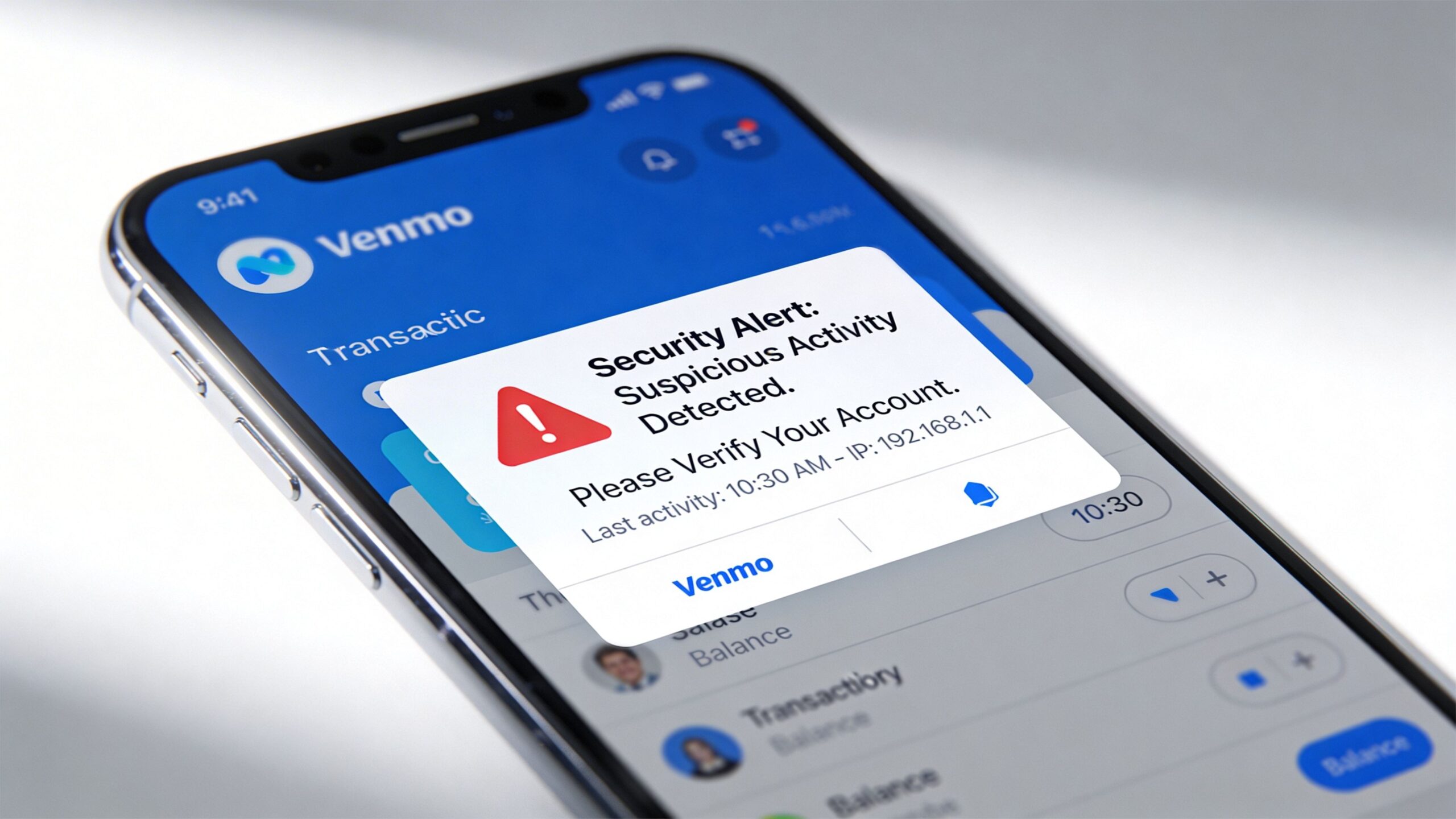
In addition to encryption, Venmo employs fraud detection systems that monitor unusual activity. If something appears suspicious, the system may flag the transaction or temporarily restrict your account to prevent unauthorized access. These automated protections work continuously in the background, helping to reduce the risk of fraud.
Users also have access to security features like multi-factor authentication, which adds an extra step during login. This ensures that even if someone obtains your password, they cannot easily access your account without additional verification. These built-in protections make Venmo a secure platform at a technical level, comparable to many other financial services.
The Social Feed Factor Where Convenience Meets Risk
One of Venmo’s most distinctive features is its social feed, where users can see transactions between friends. While the actual amounts are hidden, the descriptions and usernames are visible depending on privacy settings. This feature adds personality to payments but also introduces unique security considerations.
By default, some transactions may be visible to others, which can unintentionally reveal patterns about your spending or social connections. While this does not directly expose your financial information, it can create opportunities for social engineering or unwanted attention.
Fortunately, Venmo allows users to adjust their privacy settings to make transactions private. Taking the time to review and customize these settings is one of the simplest yet most effective ways to enhance your security. Understanding how visibility works within the app ensures that you maintain control over what others can see.
Common Security Risks Every User Should Understand
Despite its strong technical safeguards, Venmo is not immune to risks. Most security issues arise not from the platform itself but from how it is used. One of the most common risks is sending money to the wrong person. Because transactions are often instant and irreversible, recovering funds can be difficult if you make a mistake.
Scams are another concern. Fraudsters may pose as friends, businesses, or even Venmo support to trick users into sending money. These scams often rely on urgency or emotional manipulation, making them harder to detect in the moment.
Phishing attempts, where users are tricked into revealing login information through fake emails or messages, also pose a threat. Once attackers gain access to an account, they can initiate unauthorized transactions or attempt to withdraw funds.
Understanding these risks is the first step toward avoiding them. Awareness transforms Venmo from a potential vulnerability into a secure and reliable tool.
Payments for Friends Versus Purchases Why It Matters
Not all Venmo transactions are treated equally, and this distinction plays a major role in security. Payments between friends and family are typically considered personal transfers, which means they do not include the same level of protection as transactions for goods and services.
When you use Venmo to pay for a purchase and select the appropriate option, certain protections may apply. These can help in cases where an item is not delivered or does not match its description. However, if you mistakenly send a personal payment for a purchase, you may not have access to these protections.
This difference highlights the importance of choosing the correct payment type. It may seem like a small detail, but it can have a significant impact if something goes wrong. Taking an extra moment to confirm the nature of your transaction can save you from potential losses.
Simple Habits That Strengthen Your Account Security
While Venmo provides a secure foundation, user behavior plays a critical role in maintaining safety. Small, consistent habits can make a significant difference in protecting your account.
Using a strong, unique password is one of the most basic yet effective steps. Enabling multi-factor authentication adds another layer of defense, making it much harder for unauthorized users to gain access. Regularly reviewing your transaction history helps you quickly identify any suspicious activity.
It is also important to be cautious when interacting with messages or requests. Avoid clicking on unfamiliar links or responding to unsolicited requests for information. Verifying the identity of the person you are sending money to is another essential practice, especially when dealing with new contacts.
These habits may seem simple, but they create a powerful shield against many common threats. Over time, they become second nature, allowing you to use Venmo with confidence.
What to Do If Something Goes Wrong
Even with the best precautions, issues can still occur. Knowing how to respond quickly can make a significant difference in resolving problems. If you notice unauthorized activity, the first step is to secure your account by changing your password and enabling additional security measures.
Venmo provides support channels where you can report suspicious transactions or potential fraud. Acting quickly increases the chances of resolving the issue and minimizing any financial impact. Keeping records of your transactions and communications can also be helpful during this process.
If you have linked bank accounts or cards, contacting your financial institution may provide additional protection. They can monitor for unusual activity and take steps to prevent further unauthorized transactions.
Understanding these response steps ensures that you are prepared, not just protected. It turns a potentially stressful situation into one that can be managed effectively.
Balancing Convenience and Caution in a Digital World
Venmo represents the future of everyday payments, combining speed, simplicity, and social interaction into a single platform. Its security features are strong, and when used correctly, it is a safe and reliable way to move money. However, like any financial tool, it requires awareness and responsibility from its users. The key to using Venmo safely lies in understanding both its capabilities and its limitations. By adjusting privacy settings, recognizing common scams, and adopting smart security habits, you can significantly reduce your risk. These actions do not take away from the convenience of the platform—they enhance it. In the end, Venmo is as safe as the way it is used. With the right knowledge and approach, it becomes a powerful tool that simplifies your financial life without compromising your security. By staying informed and proactive, you can enjoy the benefits of digital payments while keeping your money exactly where it belongs.