At first glance, sending money through modern payment apps feels completely free. A few taps, a quick confirmation, and the transaction is done. But beneath that seamless experience lies a layered system of fees that can quietly shape how much money you actually keep. When comparing Venmo and PayPal, the differences in fees are not always obvious—but they are significant. Understanding what you are really paying requires more than just scanning a fee chart. It involves looking at how each platform is used in real life. From splitting rent to running a small business, the way fees apply can change dramatically depending on your habits. This guide breaks down those hidden costs, revealing where each platform shines and where it quietly takes a cut.
A: No. Costs depend on the payment type, funding source, and transfer speed you choose.
A: Using a credit card or choosing an instant transfer is often what triggers extra cost.
A: Yes, bank-funded personal transfers are often among the lowest-cost options.
A: They often include processing, protection, and business-style transaction handling.
A: Often yes, because PayPal supports more types of payments, merchants, and international use cases.
A: It often can be, especially when used for standard personal transfers with low-cost funding methods.
A: Unnecessary instant transfer fees are often the simplest to cut.
A: Yes. Repeated convenience charges can add up fast over weeks and months.
A: Many people do, using Venmo for social payments and PayPal for checkout, selling, or broader payment flexibility.
A: Check the funding source, payment category, and transfer method so you know what you are really paying.
The Illusion of Free Transfers and Where It Actually Holds True
Both Venmo and PayPal market themselves as free for basic transactions, and in many cases, that is accurate. Sending money from a bank account or debit card to another user typically does not incur a fee. This is the foundation of their popularity and what makes them ideal for everyday payments.
However, this “free” label only applies under specific conditions. The moment you step outside those boundaries, fees begin to appear. Using a credit card, transferring money instantly, or receiving payments for goods and services can all trigger charges. These costs are often small individually, but they add up over time.
Venmo keeps its free structure simple and focused on social payments. PayPal also offers free personal transfers, but its ecosystem extends into business, international, and commercial use, where fees are more complex and frequent. The key takeaway is that free transactions exist—but only within a narrow lane of usage.
Credit Card Payments The Convenience That Comes at a Cost
One of the fastest ways to encounter fees on both platforms is by using a credit card to fund a payment. While it may seem convenient, especially when you want to earn rewards or delay payment, this option is rarely free.
Venmo charges a standard fee for credit card payments, making it less appealing for routine transfers. PayPal follows a similar model, applying a percentage-based fee whenever a credit card is used. In both cases, the platforms pass along processing costs from credit card networks, which is why these fees are unavoidable.
For everyday users, this creates an important decision point. Paying directly from a bank account avoids fees but requires immediate funds. Using a credit card offers flexibility but comes with a price. Over time, frequent use of credit cards for peer-to-peer payments can significantly increase your overall costs.
Instant Transfers Speed Versus Savings
In a world where speed matters, both Venmo and PayPal offer instant transfers that move money from your app balance to your bank account within minutes. This feature is incredibly convenient, especially when you need quick access to funds.
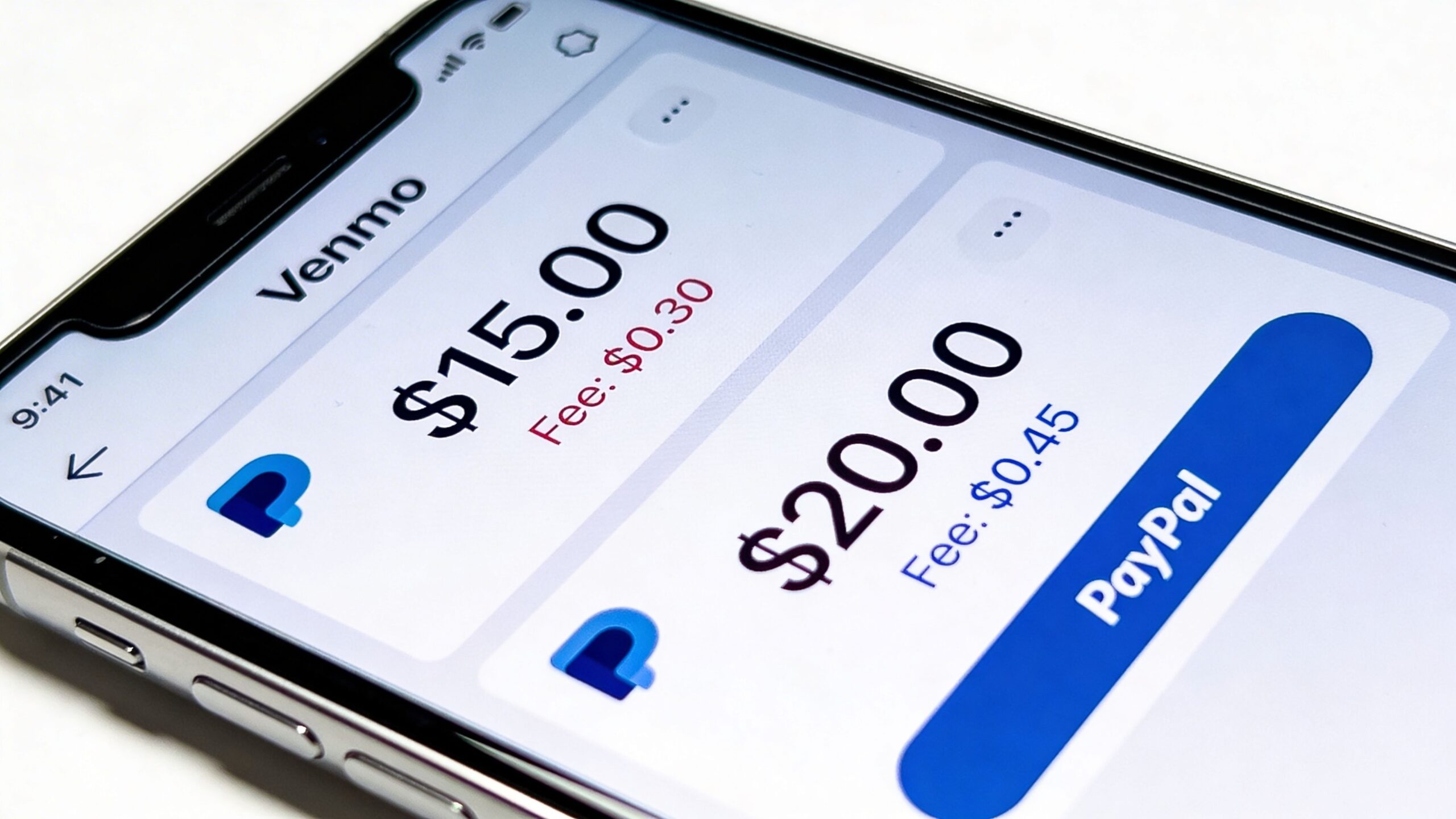
However, this convenience is not free. Both platforms charge a small percentage fee for instant transfers, turning speed into a paid upgrade. Standard transfers, which take one to three business days, remain free, but they require patience.
The difference between the two platforms is subtle but important. Venmo’s instant transfer fees are straightforward and easy to understand, aligning with its overall simplicity. PayPal offers similar functionality, but its broader system means users may encounter varying fee structures depending on the type of account or transaction.
For users who frequently rely on instant access to cash, these fees can accumulate quickly. Choosing between speed and savings becomes a recurring decision that shapes your overall experience.
Business Transactions Where Fees Become a Central Factor
The biggest divergence between Venmo and PayPal appears when money moves beyond personal use. PayPal has long been a leader in business transactions, offering tools for invoicing, online sales, and global payments. With these capabilities come structured fees for receiving payments for goods and services.
These fees typically include a percentage of the transaction plus a fixed amount, reflecting the value PayPal provides in terms of security, dispute resolution, and global reach. For businesses, these costs are often seen as part of the cost of doing business.
Venmo has introduced business profiles and payment options for goods and services, but its ecosystem remains more limited. It charges similar fees for these transactions, though the platform is still primarily geared toward casual use.
For freelancers, entrepreneurs, and small business owners, PayPal’s fees are more predictable and tied to a robust set of features. Venmo can work for smaller-scale transactions, but it is not as deeply integrated into the business world.
International Payments The Hidden Premium of Going Global
Sending money internationally introduces another layer of fees, and this is where PayPal clearly separates itself from Venmo. PayPal supports cross-border transactions, allowing users to send money to other countries with relative ease. However, this convenience comes at a cost.
International transfers often include currency conversion fees and additional transaction charges. These fees can vary depending on the destination and the currencies involved, making them one of the more complex aspects of PayPal’s pricing structure.
Venmo, by contrast, is primarily focused on domestic transactions within the United States. It does not offer the same level of international functionality, which means it avoids these fees—but also limits its usefulness in global scenarios.
For users who need to send money abroad, PayPal provides a valuable service, but it is important to understand the premium that comes with it.
Hidden Costs in Everyday Habits That Add Up Over Time
While individual fees may seem small, the real impact comes from how often they occur. A few instant transfers, occasional credit card payments, and periodic business transactions can quietly add up over weeks and months.
This is where user behavior becomes the most important factor. Someone who sticks to free bank transfers and standard withdrawals may pay almost nothing in fees. Another user who prioritizes speed and convenience may find themselves paying regularly without fully realizing it.
Venmo’s design encourages frequent, casual transactions, which can lead to more opportunities for small fees. PayPal’s broader functionality introduces more scenarios where fees apply, especially for users who explore its full range of features.
Understanding your own habits is the key to minimizing costs. The platforms themselves are not inherently expensive—it is how they are used that determines the true price.
Security and Buyer Protection The Value Behind the Fees
Not all fees are simply costs—they often reflect added value. PayPal, in particular, includes buyer and seller protection as part of its transaction fees. This protection can be crucial for online purchases, offering refunds and dispute resolution if something goes wrong.
Venmo also offers protection for certain types of transactions, particularly those marked as goods and services. However, its protections are generally more limited compared to PayPal’s well-established system.
For everyday peer-to-peer payments, these protections may not matter much. But for larger transactions or online purchases, they can provide peace of mind that justifies the associated fees.
This highlights an important perspective shift. Fees are not just deductions—they are often the price of security, convenience, and reliability. Evaluating whether they are worth it depends on your specific needs.
The Real Cost Equation Choosing the Right Platform for Your Wallet
When comparing Venmo and PayPal, there is no single answer to which one is cheaper. The real cost depends on how you use the platform. Venmo is generally more cost-effective for casual, everyday transactions among friends and family. Its fee structure is simple, predictable, and easy to avoid with basic usage. PayPal, on the other hand, offers a more comprehensive financial ecosystem. Its fees are higher in certain scenarios, but they come with expanded capabilities, including business tools, international payments, and stronger protections. For many users, the smartest approach is not choosing one over the other but understanding when to use each. Venmo can handle everyday social payments with minimal cost, while PayPal can manage more complex transactions where its features justify the fees. In the end, what you are really paying is not just a percentage or a fixed charge. You are paying for speed, flexibility, security, and convenience. By recognizing where those costs appear and how they align with your habits, you can take control of your digital finances and make smarter decisions every time you tap “send.”