In today’s fast-moving digital economy, the ability to send and receive money instantly has become more than a convenience—it is an expectation. Whether you are splitting a bill, paying for an online purchase, or managing freelance income, digital payment platforms are at the center of everyday financial life. One of the most widely used platforms in this space is PayPal, a service that has helped shape how people move money across the internet for decades. For beginners, PayPal can feel both simple and surprisingly powerful. On the surface, it offers quick transfers and easy payments. Beneath that simplicity, however, lies a robust system that connects your bank, cards, and online accounts into one seamless financial hub. Understanding how PayPal works is the first step toward using it effectively and confidently in your daily life.
A: Usually an email address, phone number, and a linked bank account or card for funding and withdrawals.
A: Choose the recipient, enter the amount, select a funding source, and confirm the payment.
A: Share your PayPal email or send a payment request so others can pay you directly.
A: It usually lands in your PayPal balance and can stay there or be transferred to your bank.
A: Yes, many online stores accept PayPal as a checkout option.
A: No, it is also used by freelancers, sellers, businesses, and online merchants.
A: Sometimes. Fees can depend on funding method, transfer speed, and whether the payment is personal or commercial.
A: No, it is money stored inside your PayPal account that can be spent or transferred.
A: Many beginners start with a linked bank account and add a card later for extra flexibility.
A: Think of it as a digital wallet that helps you send, receive, and spend money online more easily.
Setting Up Your Account and Building Your Financial Hub
Getting started with PayPal begins with creating an account, a process designed to be quick and user-friendly. You sign up using an email address and create a password, which immediately establishes your digital wallet. From there, you can link your bank account, debit card, or credit card, transforming PayPal into a central point for managing your money.
This setup process is more than just a formality. Linking your financial sources allows PayPal to act as a bridge between your traditional bank and the digital world. Instead of entering card details every time you make a purchase, PayPal stores and secures that information, making future transactions faster and more convenient.
As you build your account, you will also encounter optional steps like verifying your identity. While not always required for basic use, verification can unlock additional features and increase your transaction limits. For beginners, completing these steps early helps create a smoother experience as your usage grows.
Sending Money Made Simple and Instant
One of PayPal’s most popular features is its ability to send money quickly and easily. To send funds, you simply enter the recipient’s email address or phone number, choose the amount, and select your funding source. Within seconds, the money is transferred, often appearing instantly in the recipient’s account.
This simplicity is what makes PayPal so appealing for everyday use. Whether you are paying a friend back for dinner or contributing to a group expense, the process requires only a few taps or clicks. You can also include a note with your payment, adding context to the transaction.
Behind the scenes, PayPal handles the complexity of moving money between accounts. It draws funds from your chosen source and delivers them to the recipient without requiring you to manage the technical details. For beginners, this creates a smooth and stress-free experience that feels almost effortless.
Receiving Money and Managing Your Balance
Receiving money through PayPal is just as straightforward as sending it. When someone transfers funds to you, the money appears in your PayPal balance. From there, you have several options for how to use it.
You can keep the funds in your PayPal account and use them for future payments, effectively treating it like a digital wallet. Alternatively, you can transfer the money to your linked bank account. Standard transfers typically take a few business days, while instant transfers are available for a small fee.
Managing your balance becomes an important part of using PayPal effectively. Some users prefer to move funds to their bank immediately, while others keep a balance for convenience. Understanding these options allows you to choose the approach that best fits your financial habits.
Paying Online and Shopping with Added Convenience
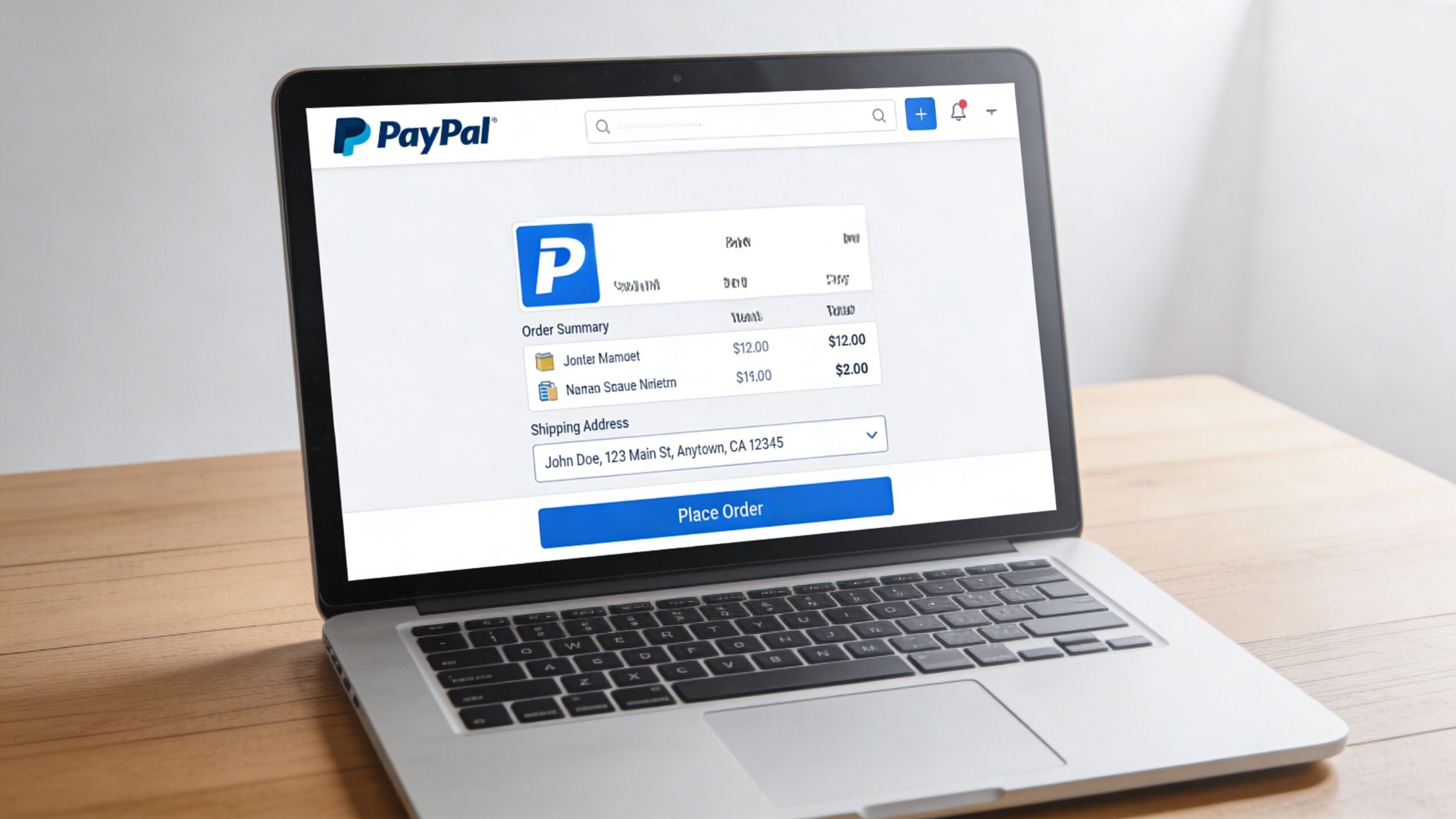
PayPal is widely accepted by online retailers, making it a powerful tool for shopping on the internet. Instead of entering your card details at checkout, you can simply select PayPal as your payment method, log in, and confirm the transaction.
This process not only saves time but also adds a layer of security. By acting as an intermediary, PayPal keeps your financial information hidden from the merchant. This reduces the risk of your card details being exposed during online transactions.
For beginners, this feature is one of the easiest ways to start using PayPal. It integrates seamlessly with many websites, allowing you to make purchases with confidence and convenience. Over time, this can significantly streamline your online shopping experience.
Understanding Fees and When They Apply
While PayPal offers many free features, it is important to understand when fees may apply. Sending money to friends and family using a bank account or debit card is typically free. However, certain actions can trigger charges.
Using a credit card to send money often comes with a fee, as does receiving payments for goods and services. Instant transfers to your bank account also involve a small charge. These fees are usually clearly displayed before you complete a transaction, allowing you to make informed decisions.
For beginners, the key is to recognize which activities are free and which are not. By choosing the right funding sources and transfer options, you can minimize costs and make the most of the platform.
Security Features That Protect Every Transaction
Security is a major reason why PayPal has remained a trusted name in digital payments. The platform uses advanced encryption and fraud detection systems to protect your information and transactions. This ensures that your financial data remains secure as it moves across the internet.
In addition to technical safeguards, PayPal offers buyer and seller protection programs. These programs provide a level of assurance for transactions involving goods and services, helping resolve disputes if something goes wrong. For beginners, this added protection can make online payments feel safer and more reliable.
Users can also enhance their account security by enabling features like two-factor authentication. Taking these extra steps helps ensure that only you can access your account, adding another layer of protection to your digital wallet.
Expanding Beyond Basics Exploring PayPal’s Full Potential
While PayPal is easy to use for basic transactions, it also offers a range of advanced features that extend its usefulness. You can send invoices, set up recurring payments, and even use PayPal for business transactions. These tools make it more than just a peer-to-peer payment app—it becomes a versatile financial platform.
For freelancers and small business owners, PayPal provides a way to receive payments from clients around the world. Its global reach allows you to transact in multiple currencies, opening up opportunities that go beyond local markets.
Even for everyday users, exploring these features can reveal new ways to simplify financial tasks. As you become more comfortable with the platform, you may find yourself relying on it for more than just sending money to friends.
Mastering PayPal for Everyday Financial Freedom
Learning how PayPal works is about more than understanding its features—it is about gaining control over how you manage your money in a digital world. From sending quick payments to making secure online purchases, the platform offers tools that can simplify and enhance your financial life For beginners, the journey starts with small, everyday transactions. As you grow more familiar with the system, you can explore its broader capabilities and tailor it to your needs. Whether you use it occasionally or make it a central part of your financial routine, PayPal provides a reliable and flexible solution for modern money management. By understanding how it works and when to use each feature, you can move beyond basic usage and take full advantage of what PayPal has to offer. In doing so, you transform a simple app into a powerful tool for navigating the digital economy with confidence.