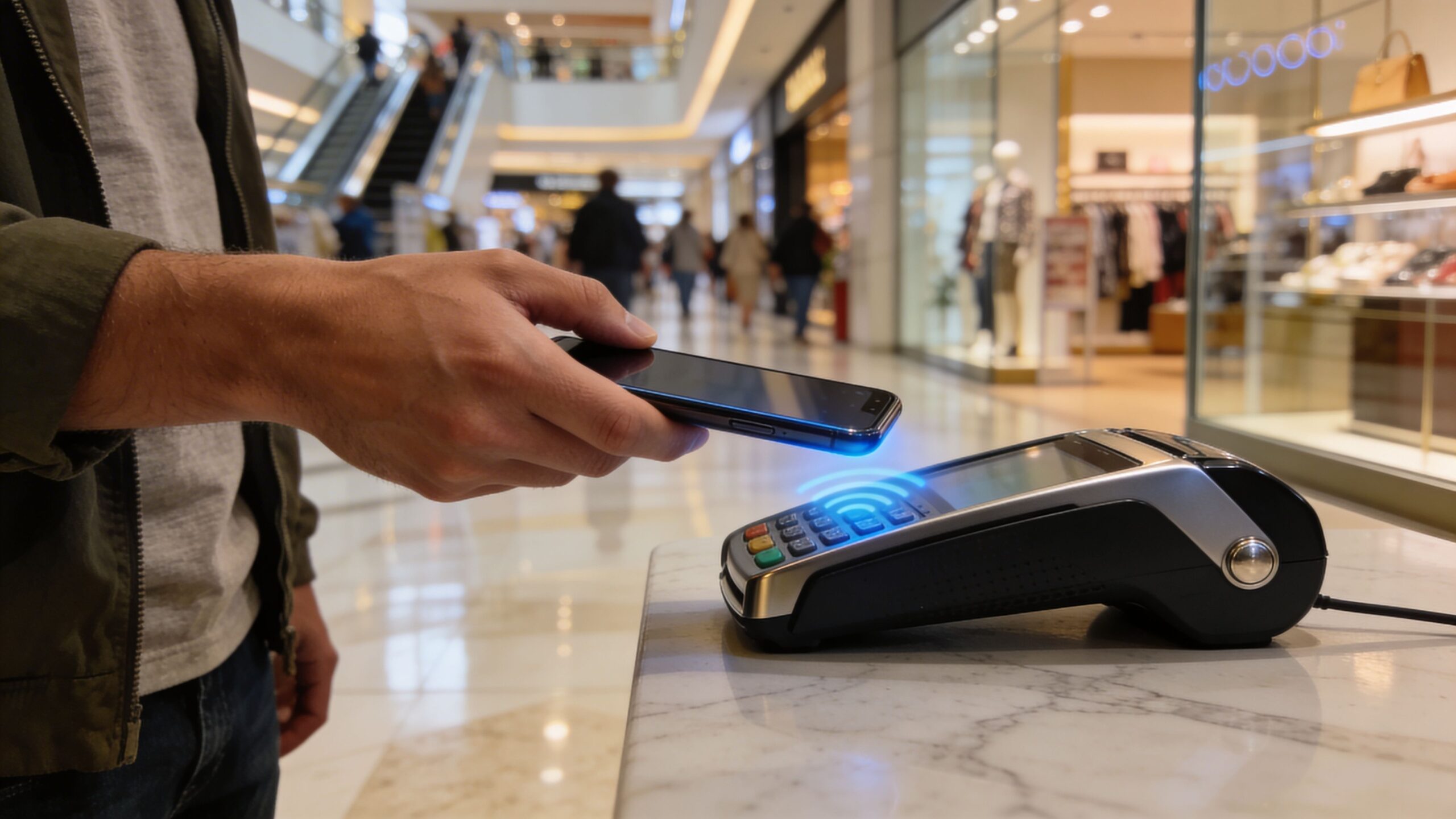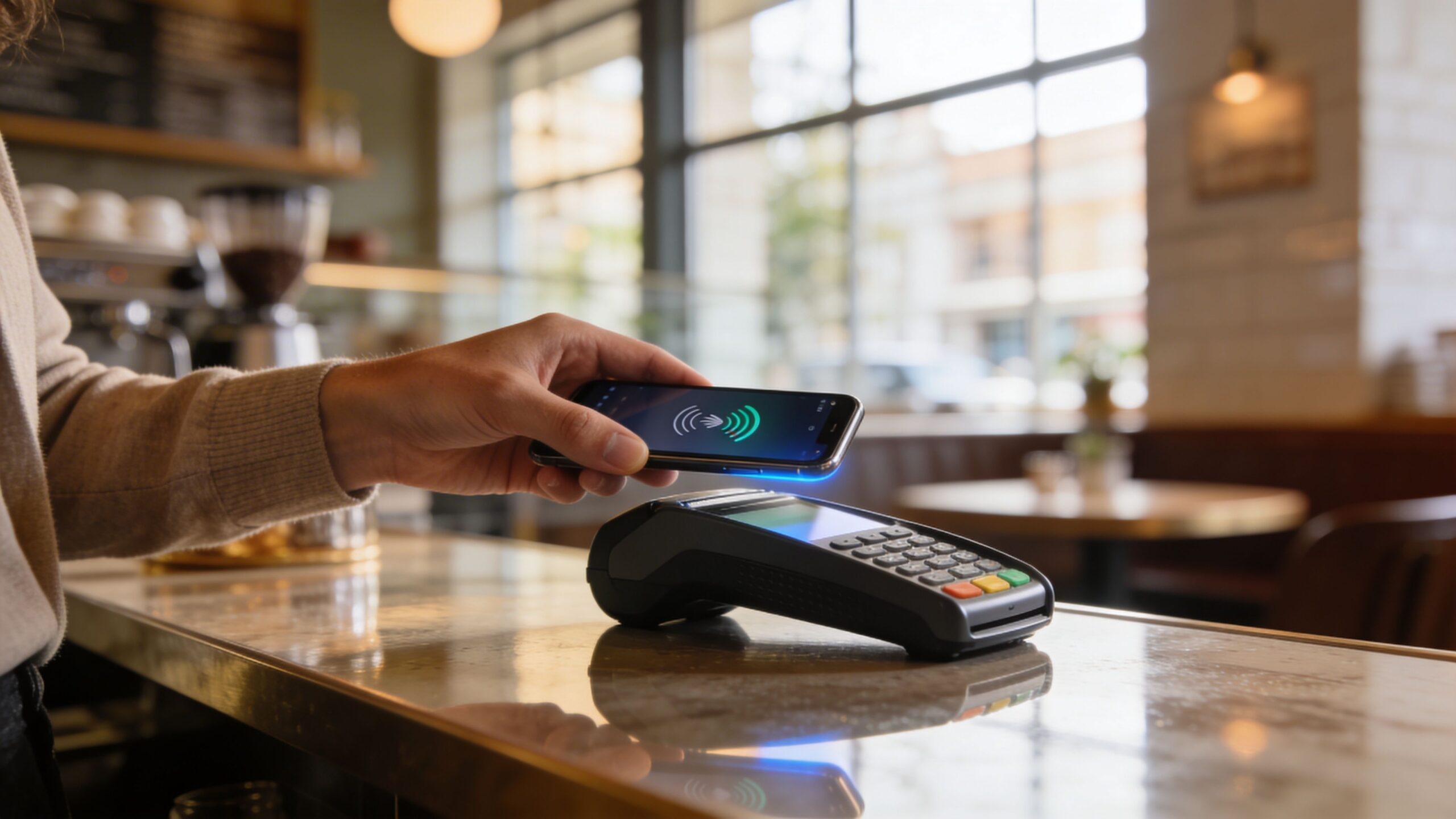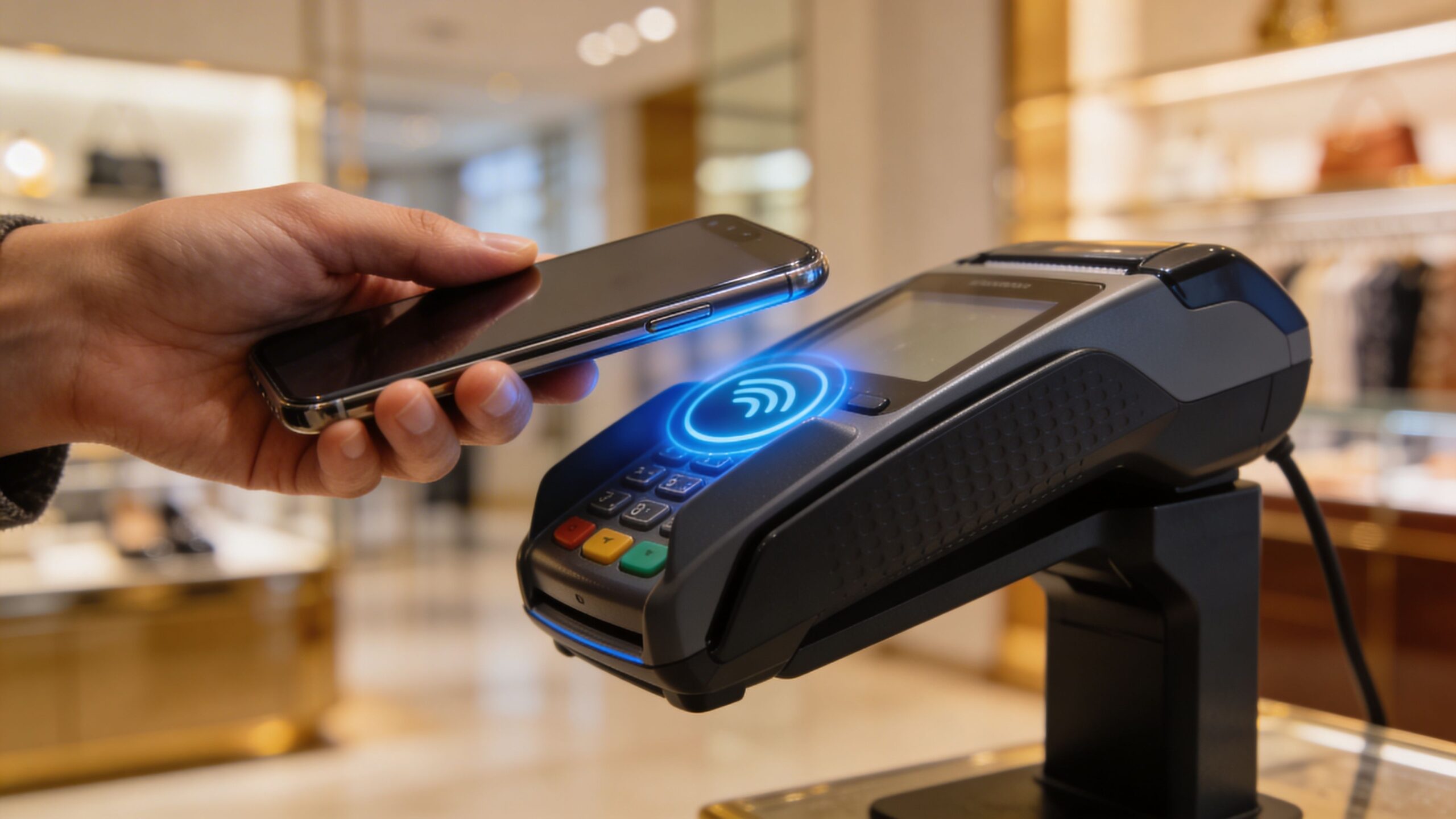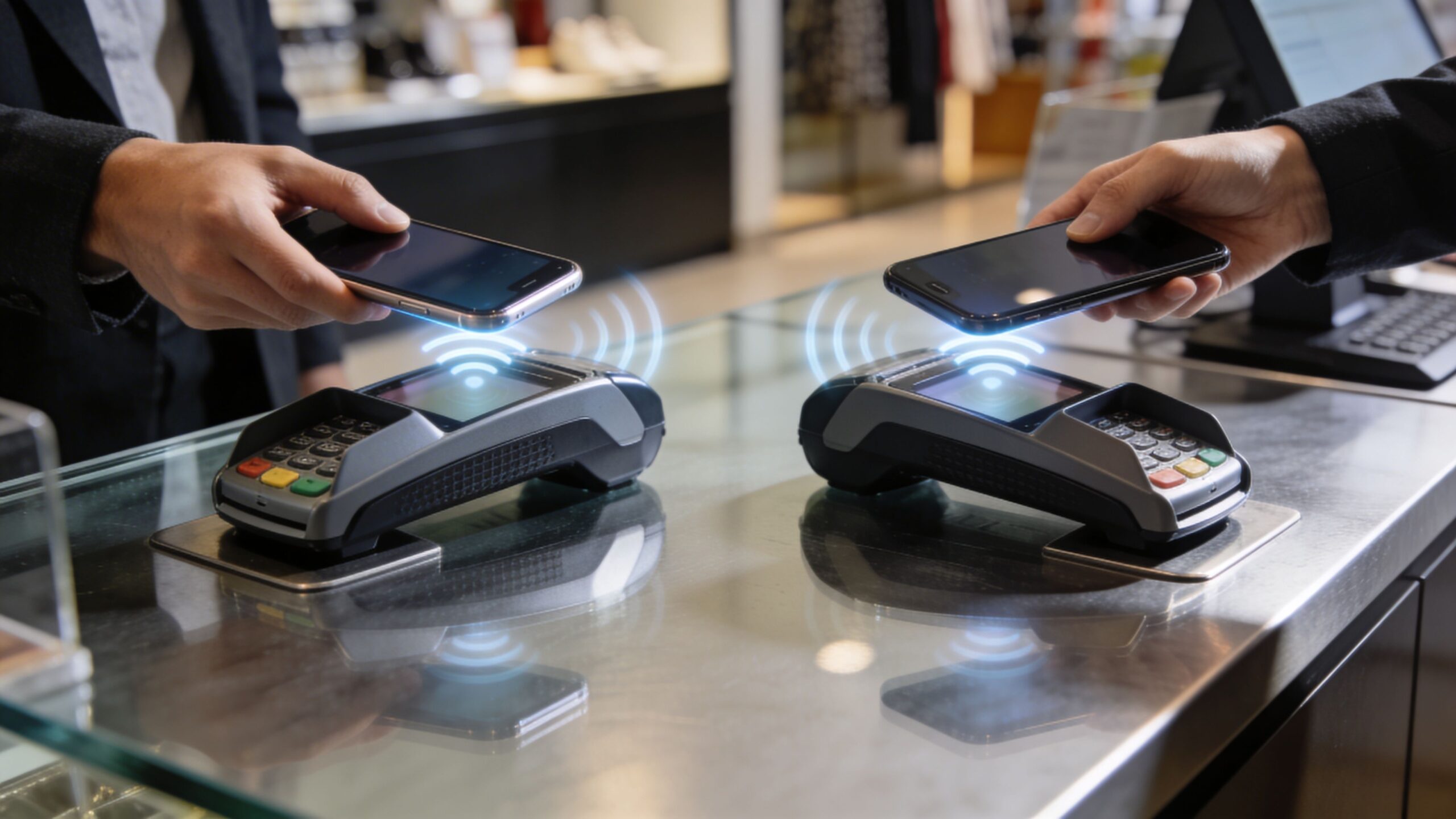
The way people pay for everyday purchases is changing rapidly. Cash is disappearing from many transactions, physical credit cards are becoming less central to payments, and smartphones are evolving into powerful digital wallets. At the forefront of this transformation are Apple Pay and Google Pay, two of the most widely used mobile payment systems in the world. Both platforms allow users to store credit and debit cards digitally and complete purchases with a quick tap of their phone or smartwatch. But as mobile wallets continue to gain popularity, many consumers are asking an important question: which platform is actually better? Apple Pay and Google Pay share a similar goal of simplifying payments, yet they approach the challenge in different ways. Apple Pay is tightly integrated within the Apple ecosystem, focusing on security, seamless device integration, and privacy. Google Pay, on the other hand, emphasizes flexibility, cross-platform compatibility, and deeper integration with Google’s broader services. Both systems support contactless payments in stores, online purchases, and in-app transactions, but their design philosophies and user experiences differ in subtle but important ways.
A: For iPhone users, usually yes; for Android users, Google Pay is usually the more natural fit.
A: Both are strong, but Apple Pay is often praised for tighter ecosystem control and highly consistent device security.
A: Google Pay generally works across more device brands because Android is available on many manufacturers’ phones.
A: Apple Pay often feels simpler and more uniform, while Google Pay can vary a bit more depending on the Android device.
A: Yes, in many cases your linked rewards cards continue earning points or cashback through either wallet.
A: Yes, if the merchant supports the wallet during app or web checkout.
A: Usually no for standard purchases, though your linked card’s normal fees can still apply.
A: Both can work well, but acceptance depends more on your card, country, and merchant terminal support than the wallet brand alone.
A: Yes, Apple Pay is built for Apple hardware, while Google Pay is intended mainly for Android and Google-connected experiences.
A: Pick the wallet that matches your phone ecosystem, your preferred interface, and the cards your bank supports best.
How Mobile Wallets Work Behind the Scenes
Before comparing Apple Pay and Google Pay directly, it helps to understand the basic technology that powers mobile wallets. Both platforms rely on near-field communication technology, commonly referred to as NFC, to enable contactless payments. NFC allows two devices to exchange information when they are placed within a few centimeters of each other. When a smartphone is held near a compatible payment terminal, the phone transmits encrypted payment data to the terminal, completing the transaction in seconds.
Both Apple Pay and Google Pay also rely heavily on tokenization. Instead of transmitting a user’s actual credit card number during a transaction, the system replaces the card number with a unique digital token. This token represents the card without revealing its real details. Even if the transaction data were intercepted, the token would be useless outside of the specific payment system.
Authentication is another key component. Mobile wallets typically require users to verify their identity before completing a payment. This verification can occur through biometric methods such as facial recognition or fingerprint scanning, or through a device passcode. Authentication ensures that even if a device is stolen, unauthorized users cannot easily make purchases.
Behind every mobile wallet transaction lies a complex network involving payment processors, issuing banks, card networks, and merchants. When a payment is initiated, the encrypted data travels through these networks to verify the transaction and confirm that the account has sufficient funds or credit available.
While Apple Pay and Google Pay both rely on these underlying technologies, the way they implement them differs in meaningful ways that shape the overall user experience.
Apple Pay: Seamless Integration Within the Apple Ecosystem
Apple Pay was introduced in 2014 as part of Apple’s broader effort to integrate financial services directly into its devices. The platform was designed with a strong emphasis on simplicity, security, and privacy. Rather than functioning as a standalone payment application, Apple Pay is deeply embedded within the Apple ecosystem.
Users add cards through the Wallet app, which acts as the central hub for payments, transit passes, boarding passes, and other digital credentials. Once a card is added, Apple Pay becomes available across multiple Apple devices, including the iPhone, Apple Watch, iPad, and Mac.
One of the defining features of Apple Pay is its tight hardware integration. Apple devices contain a specialized security chip known as the Secure Element. This chip stores tokenized payment credentials and processes transactions independently from the main operating system. Because the Secure Element operates at the hardware level, it provides an additional layer of protection against potential cyber threats.
Authentication within Apple Pay typically occurs through Face ID, Touch ID, or a device passcode. The system requires user authentication before every transaction, which helps prevent unauthorized payments.
Apple Pay also places strong emphasis on user privacy. Apple designed the system so that the company does not store detailed transaction histories linked to individual users. Merchants receive only tokenized payment information, and Apple itself cannot track where users shop or what they buy.
The result is a mobile wallet that prioritizes security and privacy while delivering an extremely smooth user experience across Apple’s hardware ecosystem.
Google Pay: Flexibility and Integration Across the Android World
Google Pay approaches mobile payments from a slightly different perspective. While Apple focuses on controlling the entire hardware and software environment, Google operates within a more open ecosystem that includes a wide range of Android devices produced by many manufacturers.
Google Pay functions as a centralized platform that brings together contactless payments, online purchases, peer-to-peer transfers, and financial management tools. The app integrates with Google services such as Gmail, Google Maps, and Google Assistant, creating a broader financial ecosystem within the Android environment.
One of Google Pay’s strengths is its device compatibility. Because Android operates across numerous smartphone brands, Google Pay works on a vast range of devices. This broad compatibility gives the platform access to a significantly larger global user base.
Security within Google Pay also relies on tokenization and encrypted payment credentials. When a card is added, Google Pay generates a virtual account number that replaces the actual card number during transactions. Like Apple Pay, the system ensures that merchants never see the real card information.
Authentication methods vary depending on the device but typically include fingerprint scanning, facial recognition, or a device passcode. While some Android devices contain hardware security modules similar to Apple’s Secure Element, the exact implementation can vary between manufacturers.
Google Pay also places emphasis on financial insights and budgeting tools. The app can categorize spending, display transaction histories, and provide suggestions for managing money more effectively. These features extend Google Pay beyond simple payments and into personal finance management.
This broader functionality makes Google Pay appealing to users who want a payment system that integrates with multiple financial tools.
Security Showdown: Which Platform Protects Your Money Better?
Security is one of the most important considerations when evaluating any payment platform. Both Apple Pay and Google Pay implement advanced security technologies designed to protect users from fraud and data breaches.
Apple Pay’s security architecture revolves around its Secure Element hardware chip. Payment credentials are stored in this isolated chip, which prevents access from other parts of the device’s software. Combined with biometric authentication and tokenization, this approach creates a highly secure environment for financial transactions.
Google Pay also uses tokenization to protect payment information, ensuring that real card numbers are never transmitted during transactions. The platform supports biometric authentication and encrypted payment credentials, providing strong security protections for users.
However, the open nature of the Android ecosystem introduces additional variability. Because Android devices are produced by many different manufacturers, security features can vary from device to device. Some devices offer hardware-level security modules comparable to Apple’s Secure Element, while others rely more heavily on software-based protections.
Apple’s tightly controlled ecosystem allows the company to enforce consistent security standards across all devices that support Apple Pay. This uniformity gives Apple an advantage in maintaining predictable security protections.
That said, Google Pay remains a highly secure platform and benefits from Google’s extensive experience in cybersecurity and data protection. Both systems provide significantly stronger security than traditional magnetic stripe card payments.
Ultimately, the difference in security between the two platforms is relatively small for most users. Both systems are designed to protect financial information through multiple layers of encryption, authentication, and tokenization.
Everyday Convenience: Payments in Stores, Apps, and Online
Convenience is another key factor when comparing Apple Pay and Google Pay. Both platforms allow users to pay in physical stores, within mobile apps, and on websites. However, their integration with different devices and ecosystems influences how convenient each system feels.
Apple Pay works seamlessly across Apple devices. A user can pay in a store using an iPhone or Apple Watch, authorize an online purchase on a Mac using Touch ID, or complete in-app payments with Face ID on an iPad. The consistent design across Apple hardware makes the experience feel highly polished and intuitive.
Google Pay provides similar capabilities across Android smartphones, tablets, and compatible smartwatches. Because Android devices vary widely, the exact experience may differ slightly depending on the device manufacturer. However, the core payment functionality remains consistent across supported devices.
Google Pay’s integration with Google services can also enhance convenience. For example, the platform can automatically pull boarding passes from Gmail or integrate transit passes with Google Maps. These features create a broader digital wallet experience that extends beyond payments.
Apple Pay, on the other hand, excels in simplicity. The interface is streamlined and focused primarily on payments and digital passes, reducing complexity and making the system extremely easy to use.
Both platforms support contactless payments at millions of merchants worldwide. As NFC payment terminals become more common, the ability to pay with a smartphone is becoming a standard feature of modern commerce.
Global Reach and Ecosystem Strength
Another important factor when comparing Apple Pay and Google Pay is global availability. Because Android devices dominate the global smartphone market, Google Pay has access to a significantly larger potential user base. In many regions where Android phones are more common than iPhones, Google Pay plays a major role in digital payments.
Apple Pay, however, has seen rapid adoption in many developed markets, particularly in North America and Europe. Apple’s strong brand loyalty and premium device ecosystem have helped drive widespread adoption among iPhone users.
Both platforms continue to expand their partnerships with banks, payment networks, and retailers around the world. Each year brings additional supported countries and financial institutions.
The broader ecosystem surrounding each platform also influences its appeal. Apple Pay benefits from tight integration with Apple services such as Apple Cash and Apple Card. These services create a cohesive financial experience within the Apple ecosystem.
Google Pay integrates with Google’s broader digital environment, including search, maps, and email services. This integration can create additional convenience for users who rely heavily on Google’s ecosystem.
Ultimately, the global reach of each platform reflects the broader competition between Apple’s premium hardware ecosystem and Android’s widespread device adoption.
Choosing the Right Mobile Wallet for You
When comparing Apple Pay and Google Pay, the answer to which mobile wallet is better ultimately depends on the user’s device and priorities. For iPhone users, Apple Pay offers an exceptionally smooth experience built directly into the Apple ecosystem. Its consistent hardware integration, strong privacy protections, and streamlined interface make it one of the most polished payment platforms available. For Android users, Google Pay provides a flexible and widely compatible solution that works across a vast range of devices. Its integration with Google services and financial insights features add functionality beyond simple payments. From a security perspective, both platforms provide robust protections through tokenization, authentication, and encrypted transactions. While Apple’s controlled ecosystem provides slightly more uniform security standards, Google Pay still delivers strong safeguards for users. The rapid growth of mobile wallets suggests that digital payments will continue to evolve in the coming years. As technology advances, the differences between platforms may narrow as both companies continue improving their systems. For now, Apple Pay and Google Pay represent two powerful visions of the future of payments. Each platform reflects the philosophy of its creator: Apple emphasizing tightly integrated design and privacy, while Google prioritizes openness and ecosystem connectivity. In the end, the best mobile wallet may simply be the one that fits seamlessly into the device and ecosystem a user already relies on every day.