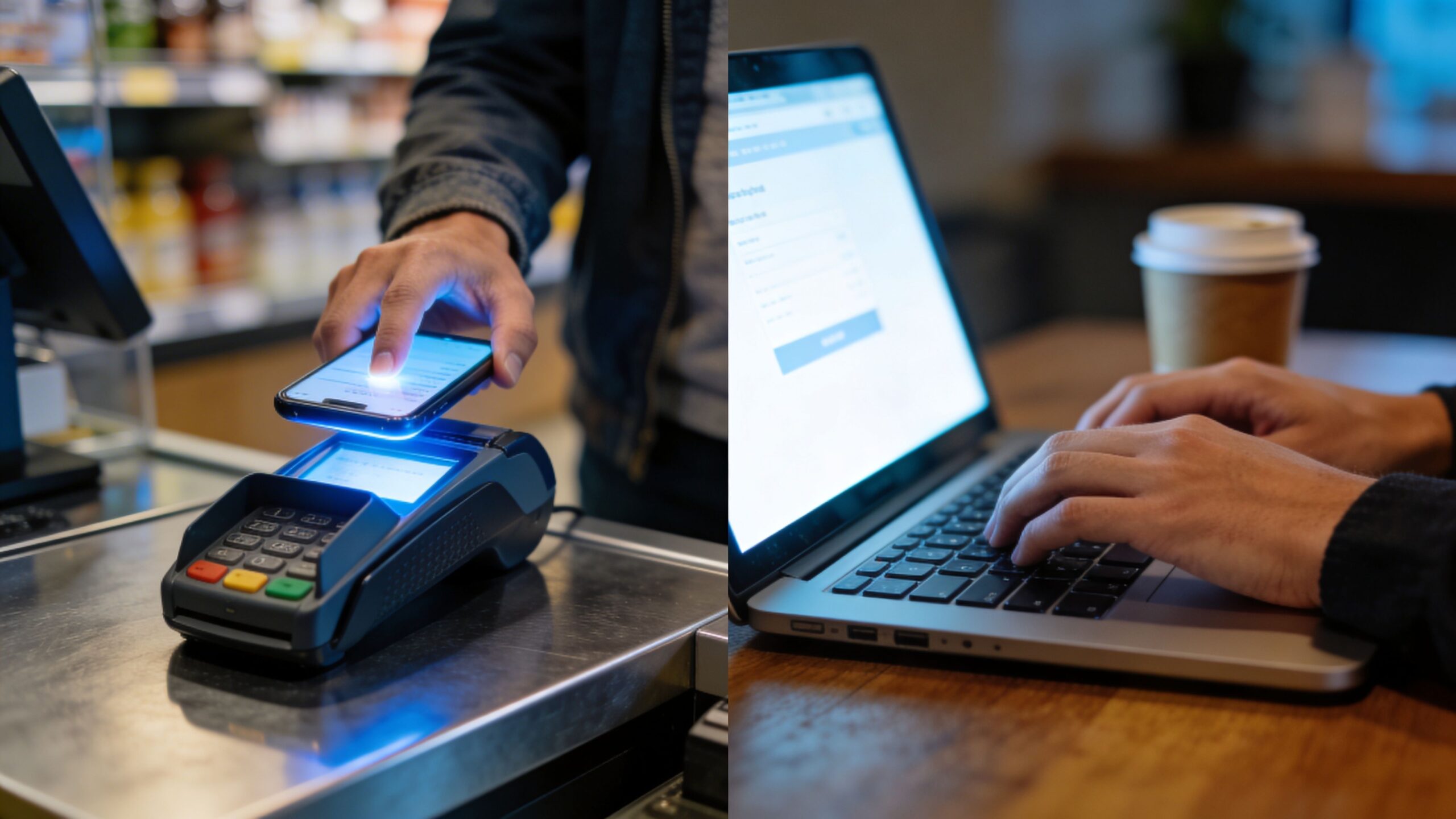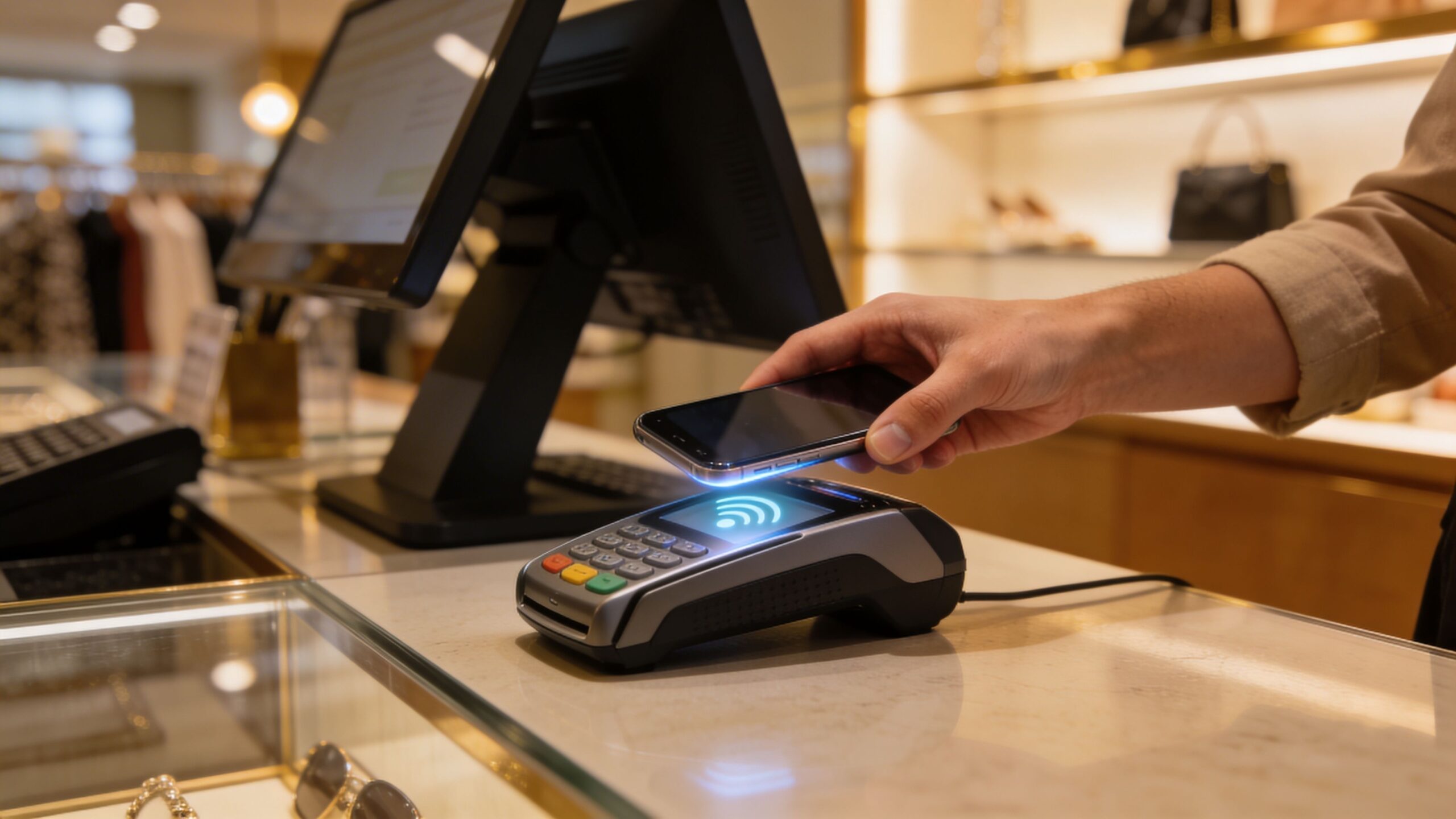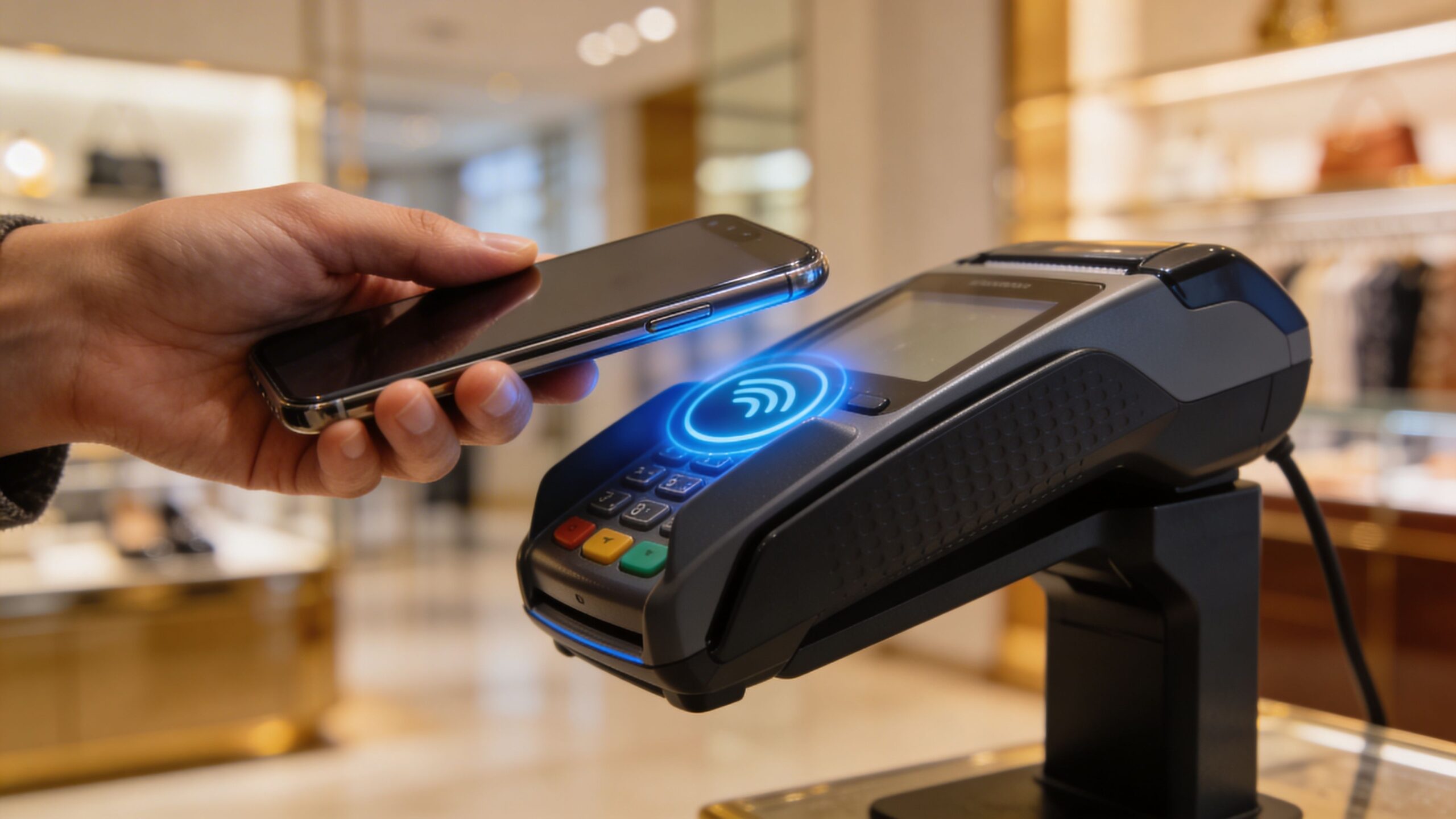
In a world where convenience often comes with a price tag, digital wallets have sparked a simple but important question: does using Apple Pay actually cost anything? As contactless payments become second nature in grocery stores, coffee shops, online checkouts, and even transit systems, millions of users rely on Apple Pay without fully understanding how fees work behind the scenes. At first glance, Apple Pay feels free—and for most consumers, it is. But the deeper story reveals a layered ecosystem involving banks, merchants, and payment networks, each playing a role in how transactions are processed and monetized. Understanding where fees exist—and where they don’t—can help you use Apple Pay more strategically while avoiding misconceptions that often circulate online.
A: Usually no. Apple Pay itself generally does not charge consumers a fee for standard purchases.
A: The fee likely came from your bank, card issuer, merchant, or transfer method rather than from Apple Pay itself.
A: Sending, receiving, and requesting money is generally free, but Instant Transfer can carry a fee.
A: Apple Pay usually does not, but your card may unless it specifically waives those fees.
A: Apple markets Apple Card as having no annual fee, no late fee, and no foreign transaction fee.
A: They typically charge the same purchase price, though a merchant’s own service fees can still exist.
A: In many cases yes, because the transaction still runs through your card account.
A: Typically no. Refunds usually return to the original payment method in Wallet.
A: It can be more private at checkout because it uses a device-specific token instead of sharing your full card number.
A: Use a no-fee card, watch for Instant Transfer charges, and review your bank’s rules before you pay.
The Consumer Experience: Why Apple Pay Feels Free
For everyday users, Apple Pay is designed to be frictionless, both in usability and cost. When you add a debit or credit card to your iPhone, Apple Watch, or other Apple device, you’re essentially digitizing your existing payment method. The app itself does not charge you a fee to store cards, make purchases, or send payments through Apple Cash.
When you tap your phone at checkout or confirm a purchase online, Apple Pay acts as a secure intermediary. It uses tokenization, meaning your actual card number is never shared with the merchant. Instead, a unique device account number is used for each transaction, enhancing security without adding cost to the consumer.
From a user perspective, this means you won’t see extra charges labeled “Apple Pay fee” on your bank statement. The amount you pay is the same as if you had used your physical card. Whether you’re buying groceries, paying for gas, or ordering food online, the experience remains cost-neutral.
However, while consumers enjoy a free experience, that doesn’t mean the system operates without fees altogether.
Behind the Scenes: Who Actually Pays Apple Pay Fees
Although consumers are not directly charged, Apple Pay is not free for everyone involved. The cost structure shifts to financial institutions and, indirectly, merchants. When a transaction is made using Apple Pay, Apple receives a small portion of the interchange fee that banks typically earn from card transactions.
Interchange fees are standard in the payment industry. Every time you use a credit or debit card, the merchant pays a fee to the card-issuing bank. Apple negotiates a share of this fee with participating banks in exchange for providing the secure, user-friendly payment platform.
For example, in the United States, Apple reportedly receives a fraction of a percent from each credit card transaction processed through Apple Pay. While this amount is small, it adds up significantly given the scale of transactions occurring globally.
Banks are willing to share this revenue because Apple Pay increases transaction volume, enhances security, and improves customer satisfaction. In many cases, the benefits outweigh the cost of giving Apple a slice of the fee.
Merchants and Apple Pay: Are There Extra Costs?
From a merchant’s perspective, Apple Pay does not introduce a new category of fees. Businesses that accept Apple Pay are already equipped to process card payments, and Apple Pay transactions are treated the same as standard contactless card transactions.
This means merchants still pay the usual processing fees associated with credit and debit cards, including interchange and payment processor fees. Apple Pay does not add an additional surcharge on top of these existing costs.
However, there are indirect considerations. Businesses may need compatible point-of-sale systems that support near-field communication (NFC) technology. While many modern terminals already include this capability, upgrading older systems can involve upfront costs.
Despite this, many merchants embrace Apple Pay because it speeds up checkout, reduces fraud risk, and aligns with consumer demand for contactless payments. In fast-paced retail environments, even a few seconds saved per transaction can translate into meaningful operational efficiency.
Apple Cash and Peer-to-Peer Transfers: Where Fees Can Appear
While standard Apple Pay purchases are free for consumers, certain features within the Apple ecosystem can involve fees. One notable example is Apple Cash, the peer-to-peer payment service that allows users to send and receive money through Messages or Wallet.
Sending money using Apple Cash with a debit card is typically free. However, if you choose to use a credit card, a fee may apply—often around 3 percent of the transaction amount. This mirrors the fees commonly associated with credit card cash advances or peer-to-peer payment platforms.
Additionally, transferring money from your Apple Cash balance to your bank account can involve fees depending on the transfer speed. Standard transfers are usually free but take one to three business days. Instant transfers, on the other hand, may include a small percentage-based fee for immediate access to funds.
These optional fees are clearly disclosed within the app, allowing users to choose between speed and cost. For most people, avoiding fees is as simple as selecting standard transfer options or using debit cards instead of credit cards for peer payments.
Security, Privacy, and the Value Proposition
One of the reasons Apple Pay can operate without direct consumer fees is the value it provides beyond simple transactions. Security is a major selling point. By using biometric authentication such as Face ID or Touch ID, Apple Pay reduces the likelihood of unauthorized transactions.
Additionally, Apple emphasizes privacy. The company does not track your purchases to build advertising profiles, which differentiates it from some competitors in the digital payment space. This commitment to privacy is part of the broader value proposition that encourages both users and banks to adopt the platform.
From Apple’s perspective, Apple Pay is not just a standalone revenue generator. It strengthens the overall ecosystem of Apple devices and services, increasing customer loyalty and engagement. This strategic positioning allows Apple to keep the user experience free while monetizing the service indirectly through partnerships with financial institutions.
Comparing Apple Pay to Other Digital Wallets
To fully understand Apple Pay’s fee structure, it helps to compare it with other digital wallets like Google Pay and PayPal. While all three platforms aim to simplify payments, their fee models differ in subtle but important ways.
Google Pay operates similarly to Apple Pay, offering free transactions for consumers and earning revenue through partnerships and data-driven services. PayPal, on the other hand, often charges fees for certain types of transactions, especially for businesses or international transfers.
Apple Pay’s approach is particularly appealing because it integrates seamlessly with existing card networks without introducing additional consumer-facing costs. This simplicity has contributed to its rapid adoption, especially among iPhone users.
For businesses, the choice of payment methods often comes down to customer preference. Supporting Apple Pay can enhance the checkout experience and reduce friction, which can ultimately lead to higher conversion rates.
International Usage: Do Fees Change Abroad?
Using Apple Pay internationally generally follows the same principles as domestic transactions. Apple itself does not charge additional fees for using Apple Pay in another country. However, your bank or card issuer may apply foreign transaction fees, just as they would with a physical card.
These fees are not unique to Apple Pay but are tied to the underlying card. If your credit card charges a 3 percent foreign transaction fee, that fee will still apply when using Apple Pay abroad. Conversely, if you have a card with no foreign transaction fees, you can use Apple Pay internationally without incurring extra costs from your bank.
Currency conversion rates and international processing fees are handled by the card network, such as Visa or Mastercard, rather than Apple. This means the cost structure remains consistent regardless of whether you tap your phone or swipe your card.
For travelers, Apple Pay can actually enhance security by reducing the need to carry physical cards, lowering the risk of loss or theft.
The Future of Apple Pay Fees and Digital Payments
As digital payments continue to evolve, the question of fees will remain central to how platforms compete and grow. Apple Pay’s current model—free for consumers, monetized through bank partnerships—has proven effective, but it may adapt as new technologies and regulations emerge. Increased competition from fintech companies, regulatory scrutiny over interchange fees, and the rise of alternative payment methods like cryptocurrencies could all influence how Apple Pay operates in the future. At the same time, Apple’s focus on user experience and ecosystem integration suggests that maintaining a fee-free experience for consumers will remain a priority. For users, the key takeaway is simple: Apple Pay is largely free to use for everyday purchases. Any fees you encounter are typically tied to optional services or the underlying payment method, not the platform itself. As contactless payments become the norm, understanding these dynamics can help you make smarter financial decisions while enjoying the convenience that Apple Pay offers.