Mobile wallets have transformed the way people pay for goods and services, and Apple Pay has emerged as one of the most widely used digital payment systems in the world. Instead of carrying a physical wallet filled with cards and cash, users can store their payment methods on their iPhone, Apple Watch, iPad, or Mac and complete transactions with a simple tap or authentication. But one of the most common questions people ask before adopting the technology is straightforward: where exactly is Apple Pay accepted? The answer is broader than many people realize. Apple Pay is accepted in millions of locations worldwide, spanning physical retail stores, restaurants, grocery chains, transportation systems, mobile apps, and online websites. Anywhere that supports contactless payments through NFC technology can potentially accept Apple Pay. In addition, many digital platforms integrate Apple Pay as a payment option during checkout, making online purchases faster and more secure.
A: It is commonly accepted at contactless stores, supported apps, and compatible websites on Apple devices.
A: Often yes, but terminal setup and merchant support can still vary.
A: Yes, if the app developer has added Apple Pay as a checkout option.
A: Yes, especially on supported websites viewed through Safari on compatible Apple devices.
A: Look for the Apple Pay logo or contactless symbol at the register or checkout screen.
A: Often yes, but support depends on the country, merchant, terminal, and your card issuer.
A: No, acceptance depends on whether the merchant has integrated it into their checkout system.
A: In some cities yes, either directly at gates or through supported transit cards in Wallet.
A: Usually no, though your linked card and the merchant’s normal fees still apply.
A: If the merchant supports modern contactless checkout or displays the Apple Pay option, there is a good chance it will work.
How Apple Pay Works at Contactless Payment Terminals
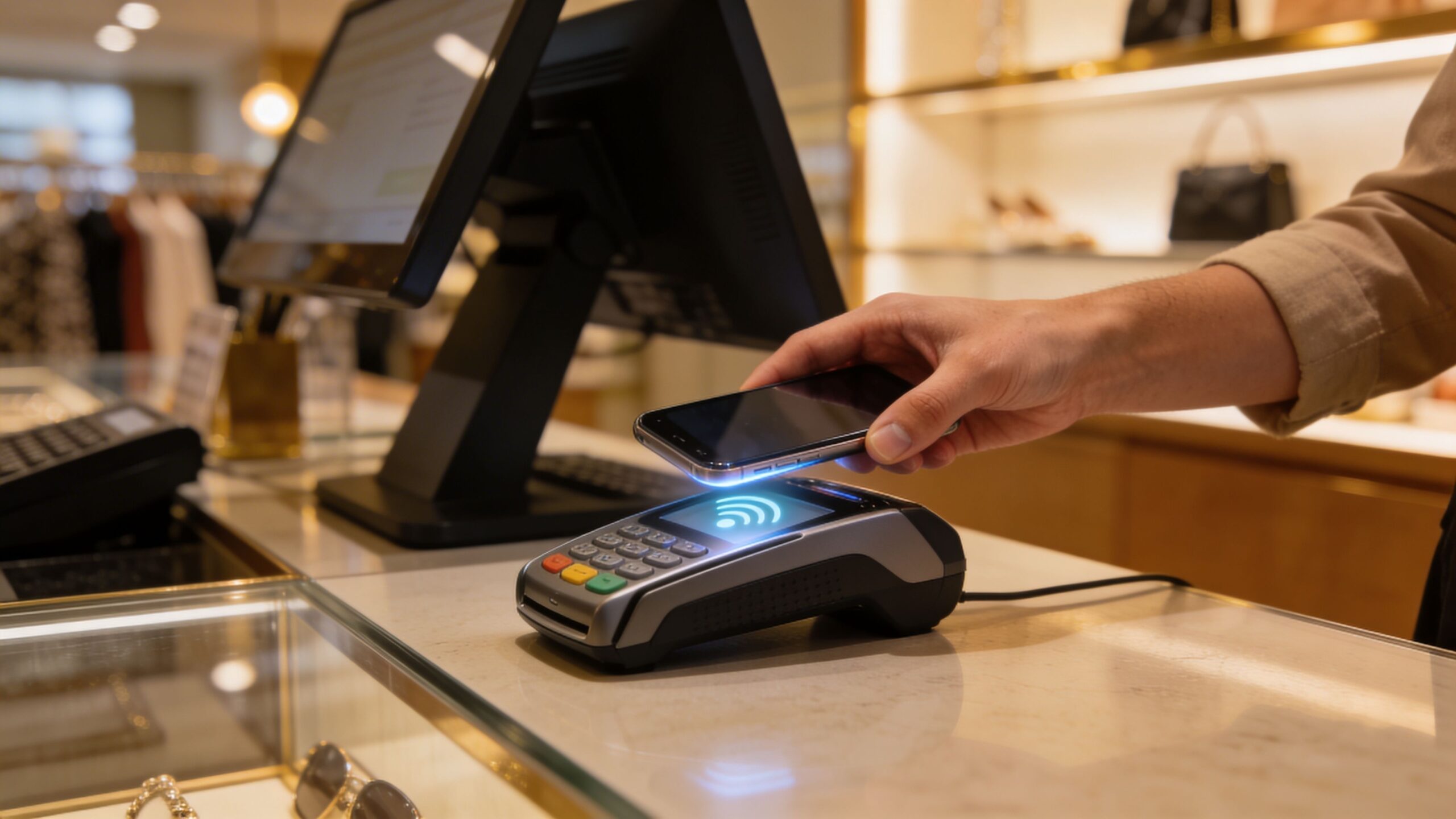
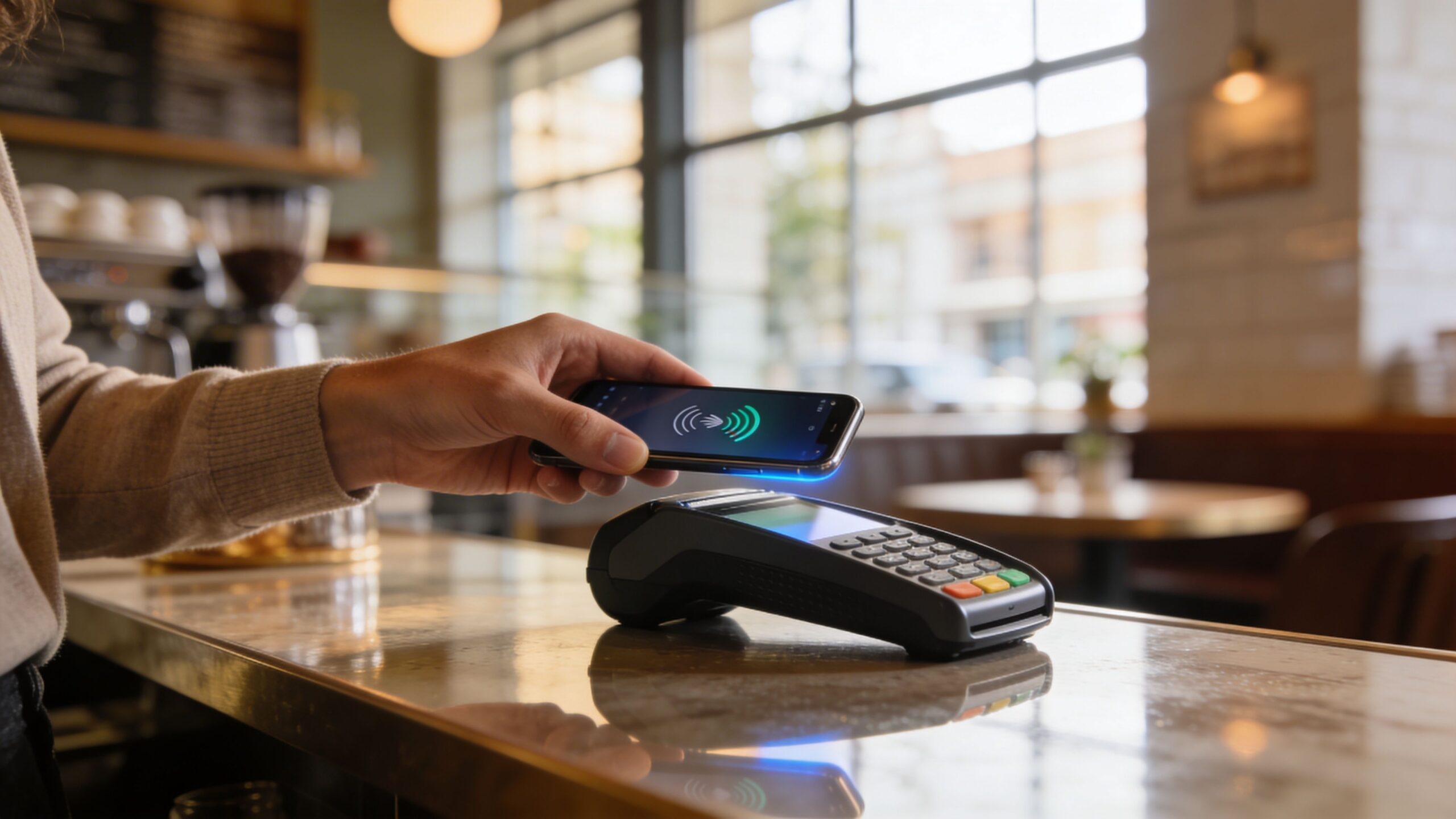
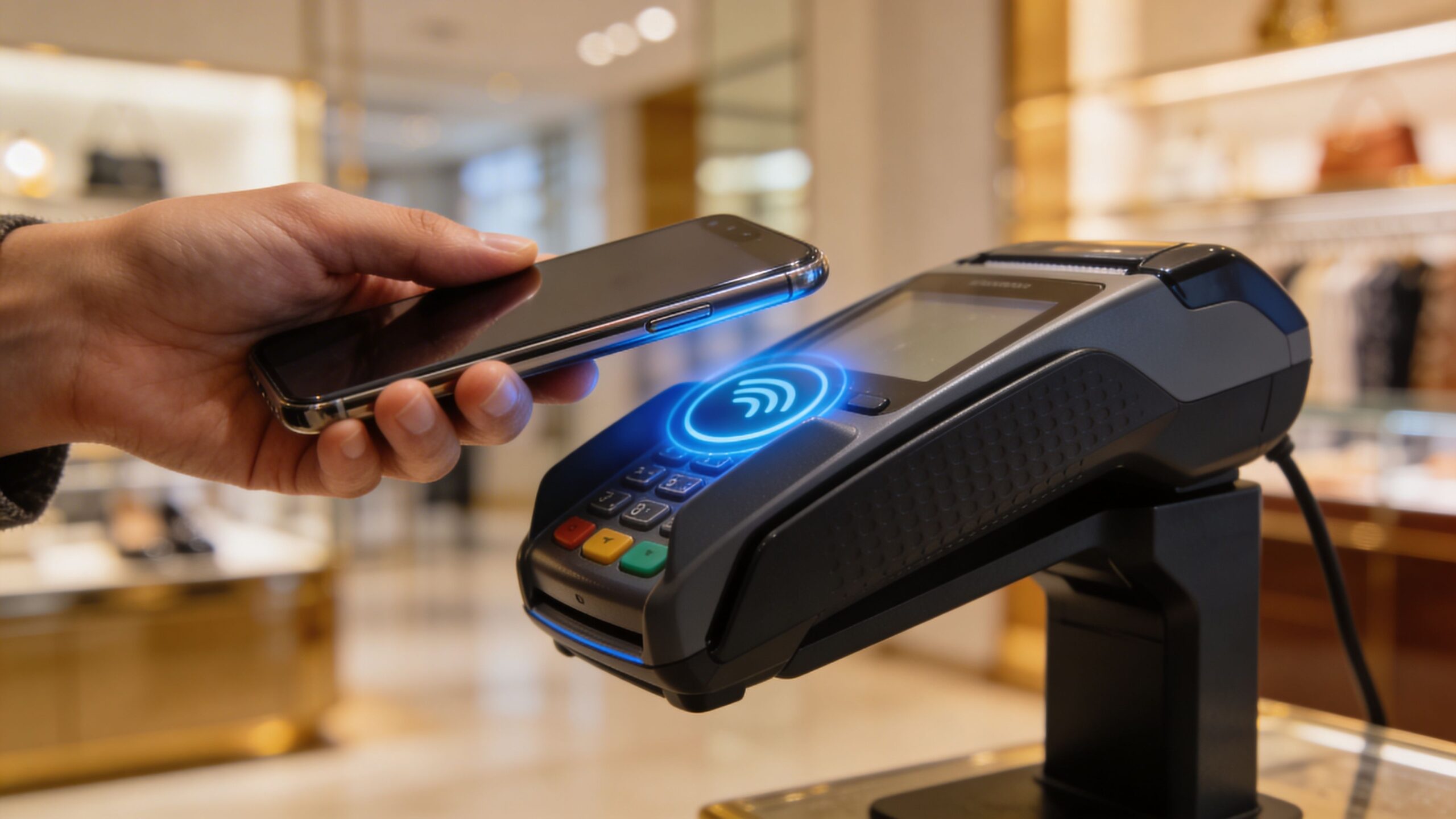
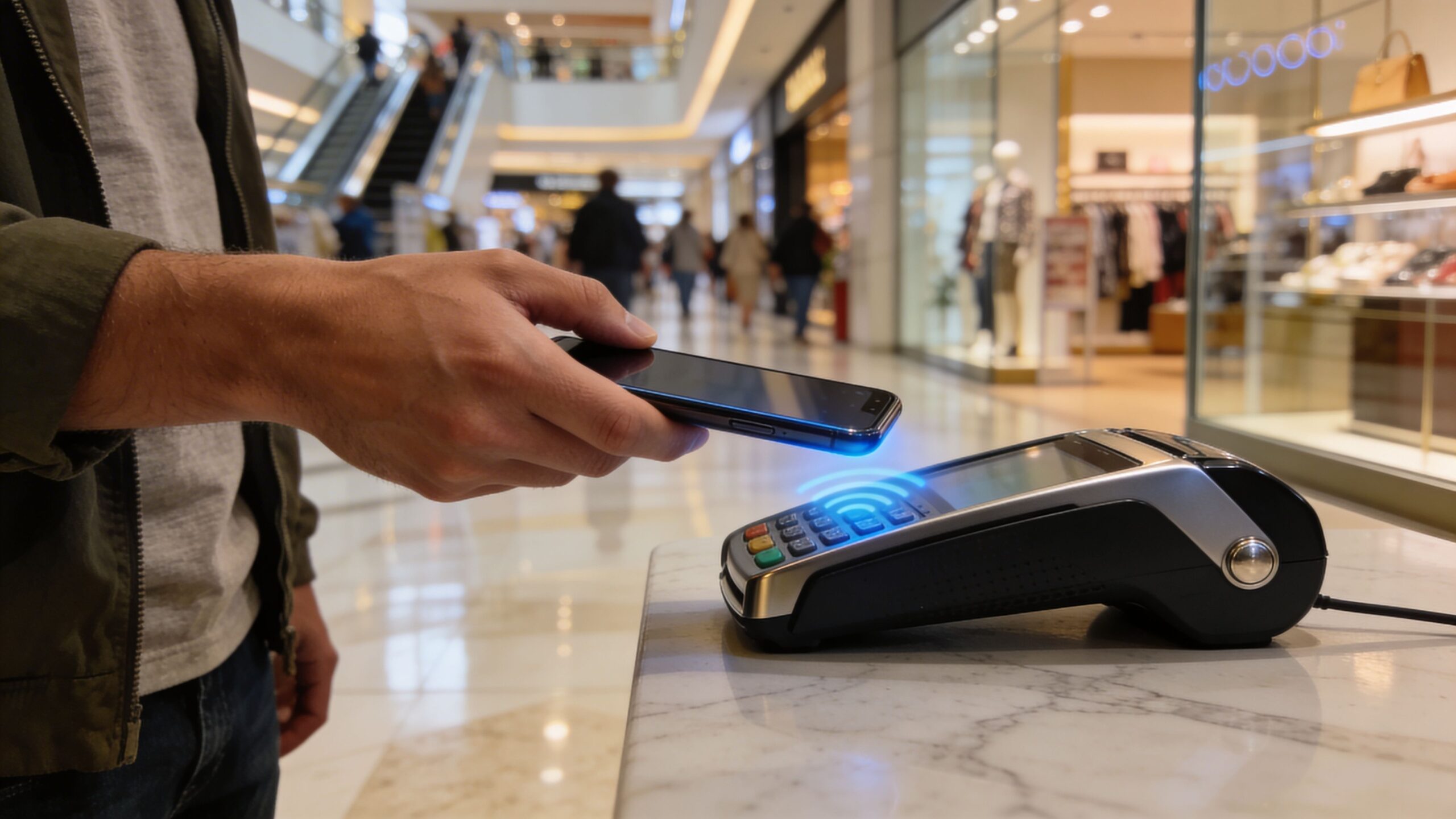
The foundation of Apple Pay’s acceptance in physical stores lies in contactless payment technology. Most modern payment terminals support near-field communication, or NFC, which allows devices to communicate wirelessly when placed close together. When a customer holds their iPhone or Apple Watch near a compatible terminal, the device securely transmits encrypted payment information and completes the transaction.
Because Apple Pay relies on the same NFC infrastructure used by contactless credit and debit cards, any merchant that supports tap-to-pay card payments can generally accept Apple Pay as well. This means that the technology works at an enormous number of locations around the world.
When a transaction begins, the user authenticates using Face ID, Touch ID, or a device passcode. After authentication, the device sends a tokenized version of the card information along with a unique transaction code. The payment terminal forwards this information through payment networks such as Visa, Mastercard, or American Express, and the issuing bank approves the transaction.
The entire process takes only a few seconds and requires no physical card. For merchants, accepting Apple Pay typically requires no additional hardware beyond a modern NFC-enabled payment terminal.
As contactless payment infrastructure continues to expand globally, Apple Pay’s acceptance in physical stores continues to grow alongside it.
Major Retail Stores That Accept Apple Pay
One of the biggest advantages of Apple Pay is its widespread adoption among major retailers. Large national chains and global brands have embraced contactless payments because they speed up checkout lines, improve convenience for customers, and reduce reliance on physical cards.
Apple Pay is commonly accepted at grocery stores, pharmacies, convenience stores, clothing retailers, electronics stores, and department stores. Many well-known brands have integrated Apple Pay into their payment systems, making it easy for customers to pay with their phones or watches.
Large grocery chains frequently support Apple Pay at checkout lanes, allowing shoppers to complete purchases quickly without handling cash or cards. Pharmacies and convenience stores also commonly accept the technology, particularly for quick purchases where speed and efficiency matter.
Retailers specializing in electronics, home goods, and clothing have also adopted Apple Pay as part of their modern checkout experiences. Department stores and shopping malls increasingly rely on contactless payment systems that support mobile wallets.
Smaller independent retailers are also embracing Apple Pay as payment terminals evolve. Modern point-of-sale systems often include NFC functionality by default, meaning that even local shops and cafés may support Apple Pay without any additional setup.
The widespread adoption among retailers means that Apple Pay can often be used for everyday purchases ranging from groceries and clothing to electronics and household supplies.
Restaurants, Cafés, and Food Delivery Services
Dining establishments have become another major category where Apple Pay is widely accepted. Restaurants, coffee shops, fast-food chains, and food trucks frequently support contactless payments as a way to speed up transactions and improve customer convenience.
In quick-service environments such as coffee shops or fast-food restaurants, Apple Pay allows customers to complete purchases within seconds. Instead of inserting a card or handling cash, users simply tap their device near the payment terminal and authenticate.
Many restaurant chains have upgraded their payment systems to support mobile wallets, particularly as consumer demand for contactless payments has increased. These systems often support both in-store payments and mobile app ordering using Apple Pay.
Food delivery platforms have also integrated Apple Pay into their checkout processes. When ordering meals through delivery apps, customers can select Apple Pay as a payment method and confirm the transaction using Face ID or Touch ID.
The combination of contactless in-person payments and integrated mobile app checkout has made Apple Pay a convenient option for dining and food delivery.
As restaurants continue modernizing their payment systems, Apple Pay is becoming a standard feature across the food service industry.
Apple Pay in Mobile Apps: A Faster Checkout Experience
One of the most powerful features of Apple Pay is its integration within mobile apps. Instead of entering credit card information manually during checkout, users can complete purchases instantly using the payment credentials stored in their device.
App developers can integrate Apple Pay directly into their checkout systems, allowing customers to authorize payments with biometric authentication. Shipping information, billing addresses, and payment details are automatically filled in, reducing the friction associated with online purchases.
This streamlined checkout process benefits both customers and businesses. Customers enjoy faster and more convenient transactions, while businesses often see higher conversion rates because fewer customers abandon their carts.
Apple Pay is commonly supported by apps in industries such as retail, travel, ride-sharing, food delivery, ticketing, and subscription services. The technology is particularly useful in mobile-first services where quick and seamless payments are essential.
For example, ride-sharing apps allow users to pay for trips automatically through Apple Pay. Travel booking platforms can process hotel reservations or airline tickets instantly using the system. Retail apps enable one-tap checkout without requiring users to repeatedly enter card information.
This deep integration with mobile apps has helped Apple Pay become a central component of the mobile commerce ecosystem.
Apple Pay on Websites and Online Stores
Apple Pay is not limited to mobile apps. It also works across many websites when users browse through Safari on compatible Apple devices. When a website supports Apple Pay, a dedicated payment button appears during checkout, allowing users to complete purchases quickly and securely.
Online Apple Pay transactions function similarly to in-app payments. Instead of filling out forms with credit card numbers and billing addresses, users can confirm the purchase using Face ID, Touch ID, or a passcode. The device securely transmits the tokenized payment credentials to the merchant.
This process significantly reduces the time required to complete online purchases. It also improves security because sensitive payment information is never directly entered into a website form.
Many e-commerce platforms have integrated Apple Pay into their payment systems, particularly those focused on mobile shopping experiences. Online retailers, subscription services, travel companies, and digital marketplaces often support the technology.
Because Apple Pay eliminates the need for manual card entry, it reduces the friction that can cause customers to abandon their shopping carts. As a result, many online businesses actively encourage customers to use Apple Pay during checkout.
The ability to use Apple Pay across both mobile apps and websites makes it a versatile payment method for modern digital commerce.
Public Transportation and Everyday Services
Beyond retail and online shopping, Apple Pay has expanded into transportation and everyday services. Many cities around the world now allow riders to pay for public transportation using their iPhone or Apple Watch.
Transit systems equipped with contactless fare readers can accept Apple Pay in the same way they accept tap-to-pay credit cards. Commuters can simply tap their device at entry gates or fare readers to begin their journey.
Some transit networks even support express transit mode, which allows users to pass through gates without unlocking their device or authenticating manually. This feature is designed to keep commuters moving quickly during busy travel periods.
Apple Pay is also used in a variety of everyday services, including parking meters, vending machines, ticket kiosks, and event venues. As more service providers upgrade their payment systems to support contactless technology, Apple Pay continues expanding into new environments.
From buying subway tickets to paying for parking or attending events, the technology is becoming integrated into many aspects of daily life.
The Future of Apple Pay Acceptance
The rapid expansion of Apple Pay acceptance reflects broader changes in the payments industry. Contactless technology is becoming standard in payment terminals, and consumers increasingly expect fast, frictionless checkout experiences. As more businesses upgrade their point-of-sale systems and digital platforms, Apple Pay’s reach is likely to continue growing. Retailers benefit from faster transactions, improved customer experiences, and reduced reliance on physical payment cards. The rise of mobile commerce also plays a major role in Apple Pay’s growth. As shopping increasingly shifts toward smartphones and apps, streamlined payment systems become essential for completing purchases quickly. In addition, Apple continues expanding its financial services ecosystem through products such as Apple Cash and Apple Card. These services strengthen the role of Apple Pay as a central hub for digital payments. The long-term trajectory suggests that mobile wallets may eventually replace traditional wallets entirely. Phones and wearable devices are becoming capable of storing payment cards, identification documents, transit passes, and more. In this evolving landscape, Apple Pay stands as one of the most widely accepted and rapidly growing payment technologies. Whether shopping in a store, ordering food through an app, purchasing products online, or riding public transit, Apple Pay is becoming an increasingly universal way to pay. For consumers, this means fewer cards to carry, faster checkout experiences, and a secure payment system that works across a growing range of locations and services.