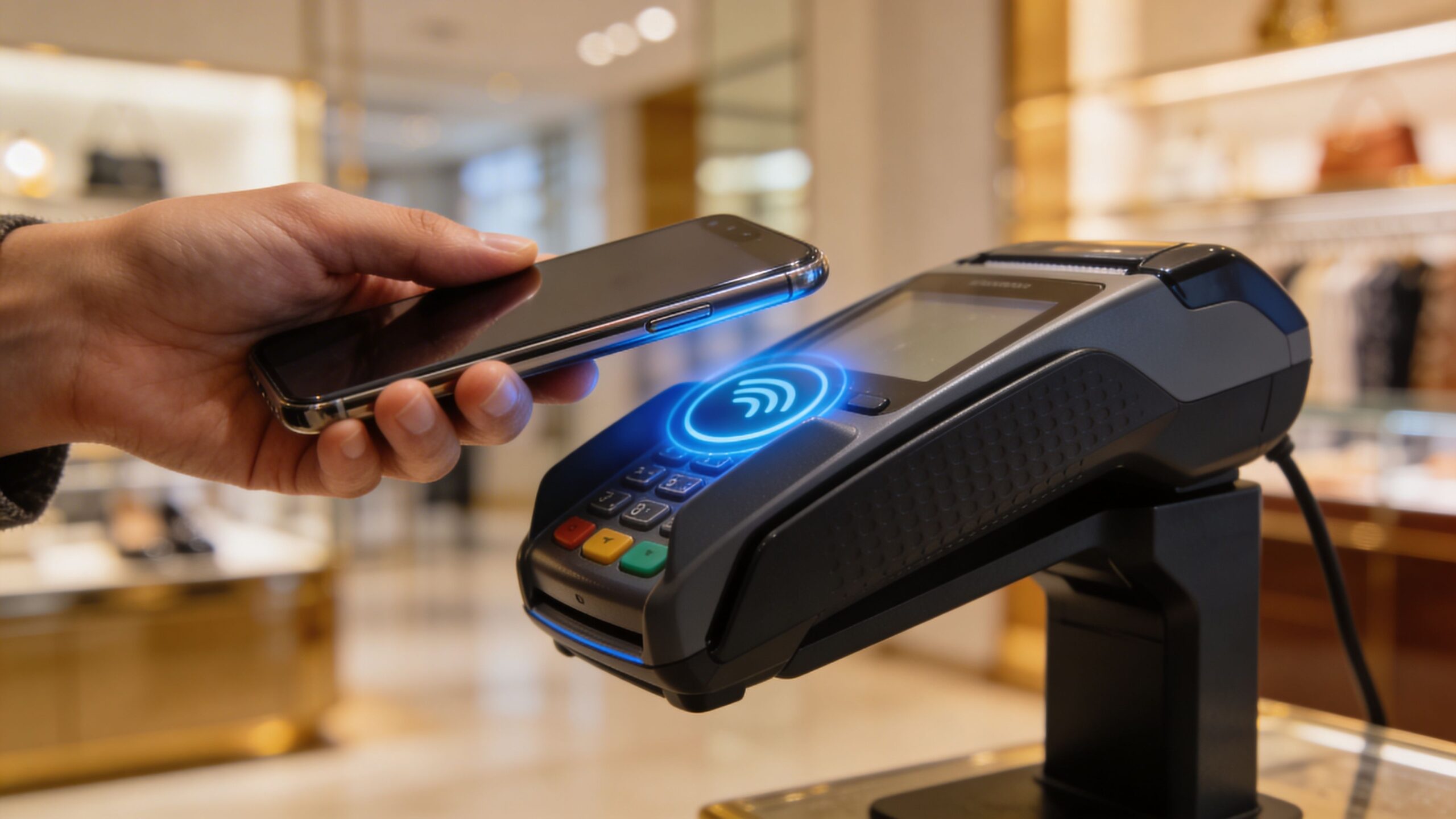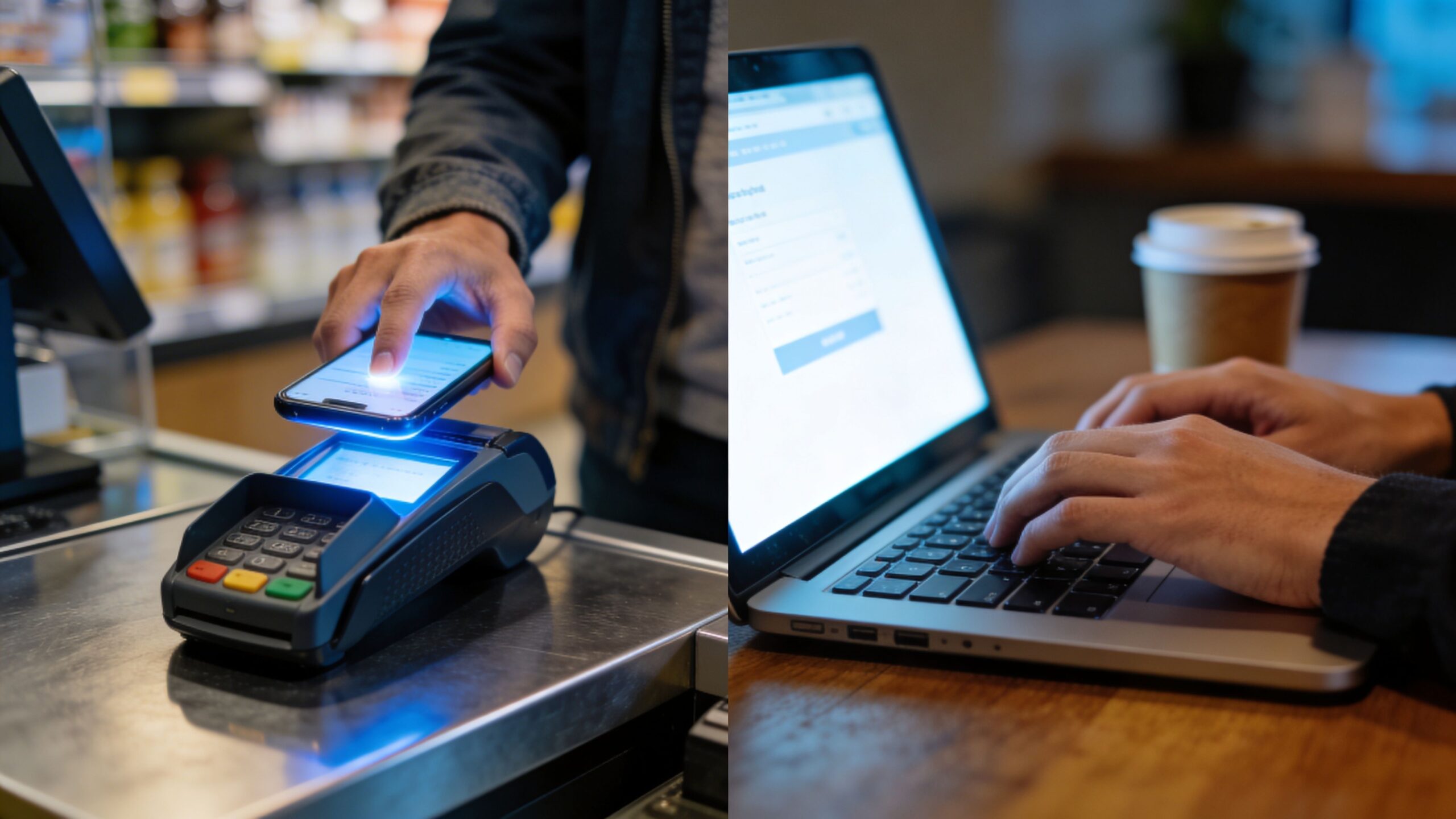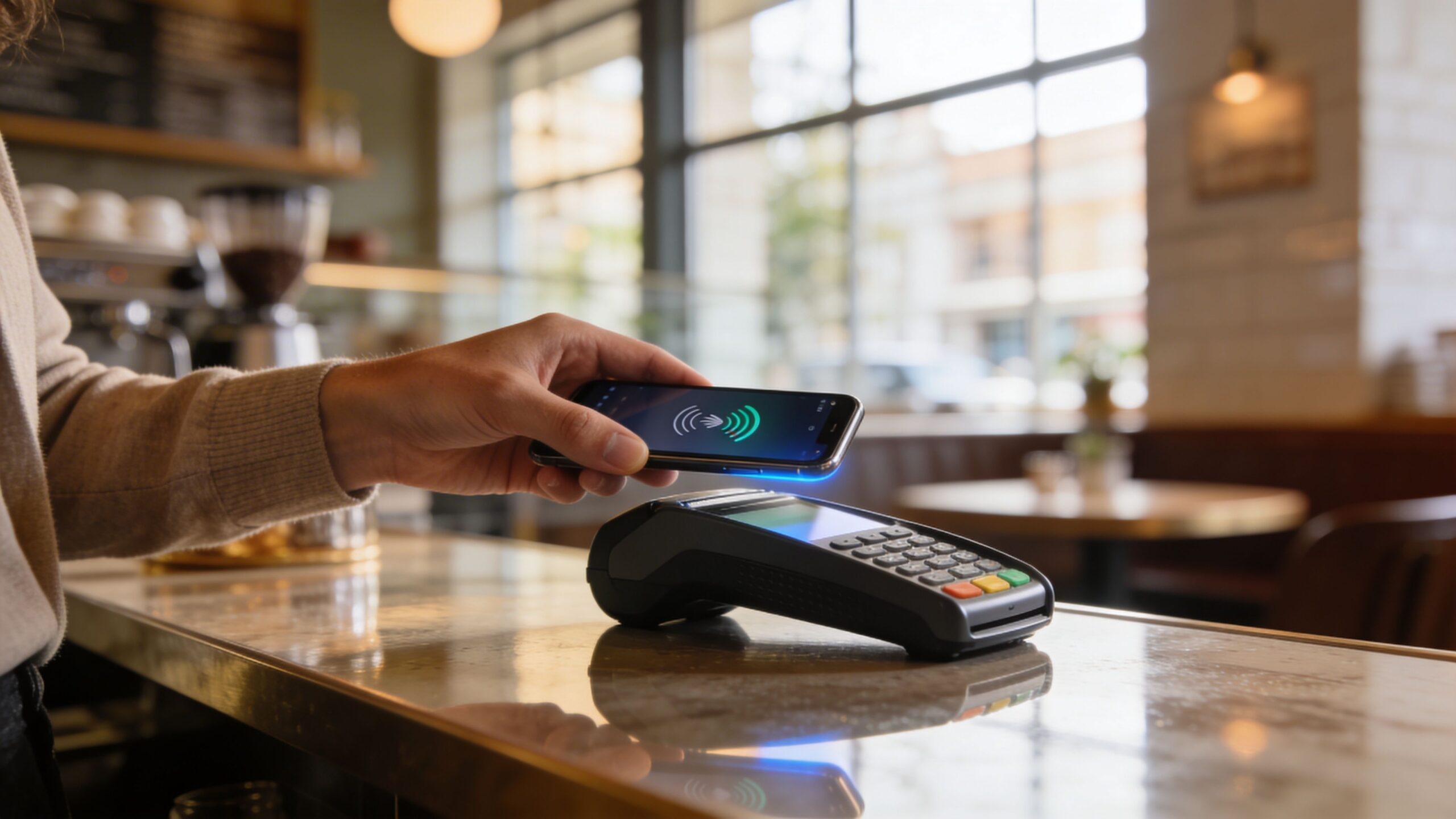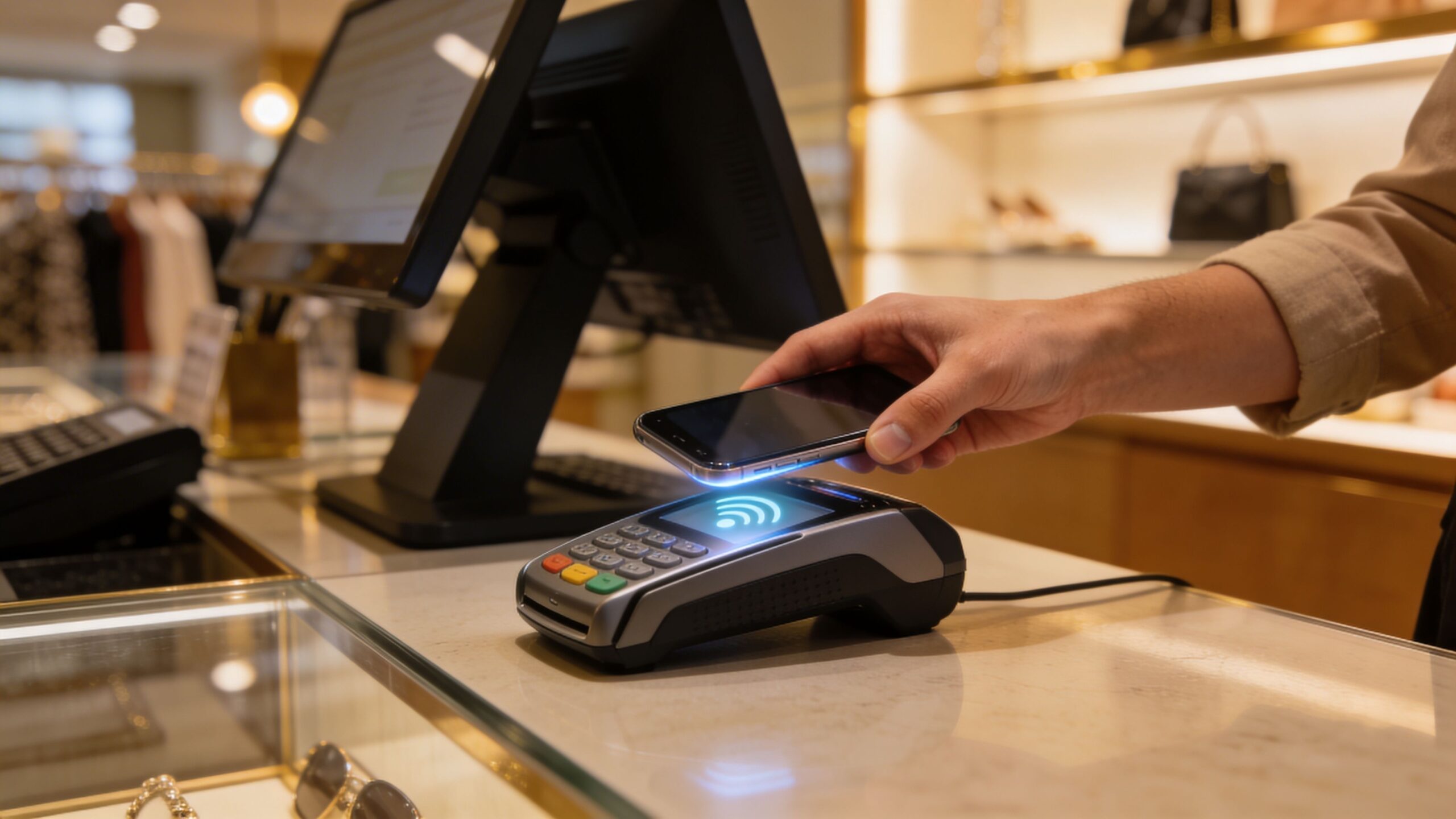
In just a few years, the way people pay for everyday purchases has changed dramatically. Physical wallets filled with cash and cards are slowly giving way to digital alternatives that promise speed, convenience, and security. Among the most influential of these innovations is Apple Pay, a mobile payment system developed by Apple that allows users to make purchases using their iPhone, Apple Watch, iPad, or Mac. Instead of swiping a plastic card or handing over cash, a user can simply hold their device near a payment terminal and complete a purchase within seconds. Apple Pay represents a broader shift toward digital wallets and contactless payments. The technology is designed to streamline transactions while maintaining a high level of security and privacy. Since its launch in 2014, Apple Pay has expanded globally and now works with thousands of banks, millions of retailers, and a wide range of apps and websites. For consumers, the experience feels almost magical: tap the device, authenticate, and the payment is complete.
A: It can be more secure in many cases because it uses tokenization and biometric or passcode authentication.
A: Some in-store payments can still work because the secure element stores payment credentials on the device.
A: No; the card issuer and region must support Apple Pay for that card.
A: Typically no; they receive a device-specific token and transaction data instead.
A: Yes, if your watch is set up with Wallet and a supported card.
A: You can use Find My and account controls to suspend or remove payment access.
A: No; Apple Pay is the payment method, while Apple Cash is a separate stored-balance feature where available.
A: Yes; you can switch from the default card in Wallet before authorizing the purchase.
A: The issuer may have declined it for fraud checks, insufficient funds, expired credentials, or merchant terminal issues.
A: Usually no for consumers, but your underlying card terms and banking fees still apply.
Setting Up Apple Pay: Turning Your Device Into a Wallet
The journey with Apple Pay begins with the Wallet app, which comes pre-installed on Apple devices. This application acts as the hub where users store payment cards, transit passes, boarding passes, and more. Adding a card to Apple Pay is designed to be quick and intuitive, typically taking less than a minute.
When a user adds a credit or debit card, they can either scan the card with the device’s camera or manually enter the card details. The information is then securely sent to the issuing bank or card network for verification. The bank confirms the card’s validity and authorizes it for use with Apple Pay.
However, the actual card number is not stored on the device in its original form. Instead, the system generates a unique digital identifier known as a device account number. This number replaces the real card number for transactions conducted through Apple Pay. The device account number is encrypted and stored inside a dedicated chip called the Secure Element, which is built into the device’s hardware.
The Secure Element acts like a digital vault, isolating payment information from the rest of the operating system. Even if malware were somehow installed on the device, it would not be able to access the data stored inside this protected chip.
Once the card is verified and the device account number is created, the card becomes ready for use. From that moment forward, the Apple device functions as a digital wallet capable of making purchases anywhere that supports contactless payments.
The Tap-to-Pay Experience: What Happens During a Transaction
Making a purchase with Apple Pay feels incredibly simple from the user’s perspective. At a checkout counter, the user holds their device near a compatible payment terminal, authenticates using Face ID, Touch ID, or a passcode, and the transaction completes in seconds.
Behind the scenes, several steps occur almost instantly to process the payment. When the device is held near the payment terminal, it uses Near Field Communication technology, commonly known as NFC. This wireless communication method allows two devices to exchange information when they are placed within a few centimeters of each other.
After authentication confirms the user’s identity, the device sends the device account number and a one-time dynamic security code to the payment terminal. The dynamic security code is generated uniquely for that specific transaction, ensuring that the information cannot be reused.
The terminal forwards this encrypted information through the payment network, such as Visa, Mastercard, or American Express. The network then routes the transaction to the issuing bank associated with the user’s card.
The bank evaluates the transaction, checks for fraud indicators, verifies available funds or credit, and then approves or declines the purchase. Once approved, the response travels back through the payment network to the merchant’s terminal, completing the transaction.
From the user’s perspective, the process takes only a few seconds, yet it involves multiple systems communicating securely across financial networks.
The Security Architecture Behind Apple Pay
One of the defining features of Apple Pay is its emphasis on security. Traditional card transactions often expose the card number to merchants and payment processors, increasing the risk of data breaches. Apple Pay approaches security differently by minimizing the exposure of sensitive financial information.
The foundation of this security model is tokenization. Tokenization replaces the actual card number with a randomly generated substitute known as a token. In Apple Pay, this token is the device account number stored in the Secure Element.
Because merchants never receive the real card number, even a large-scale data breach would not expose usable card information. The token is only meaningful within the Apple Pay system and cannot be used for other transactions.
Another layer of protection comes from the dynamic security code generated for each payment. This one-time code ensures that even if transaction data were intercepted, it could not be reused to authorize additional purchases.
Authentication also plays a crucial role. Apple Pay requires the user to confirm their identity before each payment using Face ID, Touch ID, or a device passcode. These biometric systems rely on secure hardware and machine learning to verify the user’s identity quickly and accurately.
Additionally, Apple Pay does not store transaction histories linked to user identities on Apple servers. The company designed the system so that it cannot track what users buy, where they shop, or how much they spend. This approach aligns with Apple’s broader emphasis on privacy.
Together, tokenization, biometric authentication, encrypted hardware, and dynamic security codes create a payment system that is widely regarded as more secure than traditional card swiping.
Paying in Stores, Apps, and Online
Although Apple Pay is best known for contactless payments in physical stores, the system also works across a wide range of digital environments. The same payment technology can be used for in-app purchases, online checkout, and even transit systems in many cities.
In retail stores, Apple Pay relies on NFC terminals that support contactless payments. These terminals are now common in grocery stores, restaurants, pharmacies, and major retail chains around the world. The user simply holds their device near the reader, authenticates, and completes the purchase.
Within mobile apps, Apple Pay eliminates the need to manually type in card details. Developers can integrate Apple Pay into their checkout systems, allowing customers to confirm purchases with a single tap and biometric authentication. Shipping information, billing addresses, and payment credentials are automatically filled in from the Wallet app.
Online shopping also supports Apple Pay through Safari on compatible devices. When a user encounters the Apple Pay button at checkout, they can authorize the purchase using Face ID or Touch ID instead of entering card information.
This streamlined checkout process benefits both customers and merchants. Customers enjoy faster purchases with fewer steps, while merchants often see higher conversion rates because shoppers are less likely to abandon their carts.
Apple Pay has also expanded into transit systems, allowing users to pay for subway rides, buses, and trains by tapping their devices at entry gates. In some cities, transit cards can even be stored directly inside the Wallet app for quick access.
The Role of Banks and Payment Networks
Although Apple Pay provides the user interface and device-level security, it does not replace the traditional financial infrastructure that powers global payments. Banks and payment networks remain essential participants in every Apple Pay transaction.
When a user adds a card to Apple Pay, the issuing bank must approve the card and generate the token associated with the device account number. This tokenization process is typically managed through payment networks like Visa or Mastercard, which maintain the systems that connect banks and merchants.
During a purchase, the payment network acts as the intermediary that routes transaction requests between the merchant’s acquiring bank and the customer’s issuing bank. These networks operate massive global systems capable of processing thousands of transactions per second.
The issuing bank ultimately decides whether a transaction is approved. It analyzes the purchase using fraud detection algorithms, account balances, and spending patterns before sending a response back through the network.
Apple earns revenue through agreements with banks and card networks, often receiving a small portion of transaction fees. In exchange, Apple provides the secure digital wallet infrastructure that enables contactless payments on its devices.
This partnership model allows Apple Pay to function within the existing financial ecosystem while still offering a new user experience built around mobile technology.
Why Apple Pay Is Changing the Future of Payments
Apple Pay represents more than just a convenient way to pay for groceries or coffee. It reflects a broader transformation in how financial transactions occur in a digital economy. As smartphones become central to everyday life, the wallet itself is evolving into a digital platform.
One reason Apple Pay has gained traction is the increasing demand for convenience. Modern consumers expect fast, frictionless experiences, and contactless payments deliver exactly that. Tapping a phone or watch is often faster than swiping a card or handling cash.
Another factor driving adoption is hygiene and safety. During the COVID-19 pandemic, contactless payments became significantly more popular because they reduced physical contact with payment terminals and cash. Many retailers accelerated their adoption of NFC-enabled terminals during this period.
Security also plays a key role. With frequent headlines about data breaches and identity theft, consumers are increasingly interested in payment systems that protect their information. Apple Pay’s tokenization and biometric authentication provide a level of protection that traditional card transactions often lack.
The growth of mobile commerce further strengthens Apple Pay’s role in the digital economy. As more shopping moves online and into mobile apps, streamlined payment systems reduce friction and encourage faster transactions.
Looking ahead, Apple Pay may expand into additional areas such as digital identification, peer-to-peer payments, and financial services integration. Apple has already introduced features like Apple Cash and Apple Pay Later, signaling a broader ambition to become a central hub for digital finance.
A Glimpse Into the Wallet of Tomorrow
The story of Apple Pay is ultimately a story about the evolution of money itself. For centuries, payment systems have gradually moved from physical coins to paper currency, then to plastic cards, and now toward fully digital wallets embedded within personal devices. Apple Pay sits at the intersection of technology, finance, and consumer behavior. By combining secure hardware, encrypted software, and seamless design, it transforms complex financial infrastructure into a simple tap on a smartphone. What makes Apple Pay particularly compelling is how invisible the technology feels to the user. The system handles authentication, encryption, tokenization, and network communication in the background while presenting an experience that feels effortless. As digital payments continue to expand across the world, systems like Apple Pay will likely become the norm rather than the exception. Phones, watches, and other connected devices may soon replace traditional wallets entirely. Understanding how Apple Pay works reveals that behind every quick tap lies a sophisticated network of technology designed to make payments faster, safer, and more convenient than ever before. In many ways, Apple Pay is not just a new payment method. It is a glimpse into the future of how money will move in a digital world.