In the evolving world of digital finance, convenience has become currency. From tapping a phone at checkout to sending money across the country in seconds, payment platforms are transforming how people interact with money. Two of the most recognizable names in this space are Apple Pay and PayPal, each offering a unique approach to everyday transactions. While both platforms aim to simplify payments, they are built on fundamentally different philosophies. Apple Pay focuses on seamless, device-based transactions tied closely to the Apple ecosystem, while PayPal emphasizes flexibility, cross-platform compatibility, and global money movement. Choosing between them isn’t just about features—it’s about how you live, shop, and manage your finances on a daily basis.
A: Apple Pay is usually better because it is built around fast contactless checkout in physical stores.
A: PayPal is often better for broad online shopping because it appears on many websites and marketplaces.
A: Usually no for standard purchases, though your linked card can still have its own fees or interest.
A: Many consumer purchases are free, but certain transfers, conversions, and business-related uses can carry fees.
A: Apple Pay often feels more private in stores because it uses tokenized card data instead of sharing your full card number.
A: PayPal usually works across more device types and operating systems than Apple Pay.
A: Yes, but PayPal has broader reach across platforms, while Apple Cash is more tied to Apple users.
A: Apple Pay is often great for physical travel spending, while PayPal can help more with online international payments.
A: For many people, no. Apple Pay and PayPal often serve different everyday payment situations well.
A: Apple Pay is usually best for tap-and-go convenience, while PayPal is usually best for flexible online payment reach.
The Core Experience: Tap-and-Go vs Platform Flexibility
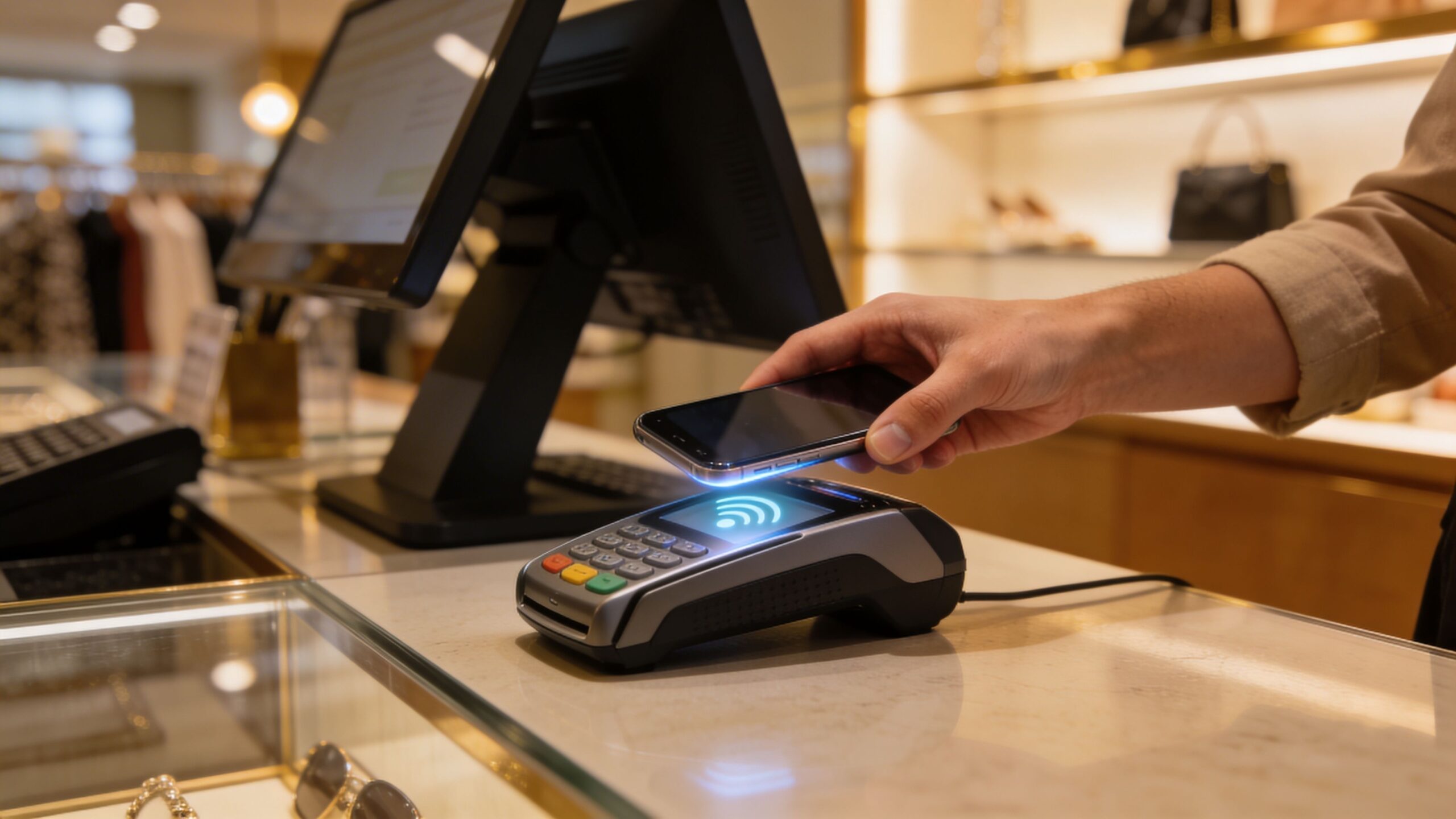
At the heart of Apple Pay is speed and simplicity. It’s designed for in-person transactions, allowing users to tap their iPhone or Apple Watch at a terminal and complete a purchase in seconds. The experience is almost invisible, blending into daily routines without friction. There’s no need to open an app or log into an account at checkout—just authenticate and go.
PayPal, on the other hand, shines in its versatility. It operates as a standalone platform that can be used across devices, browsers, and operating systems. Whether you’re shopping online, sending money to a friend, or paying for a service, PayPal provides a centralized hub for managing transactions. While it may not match Apple Pay’s speed at physical checkout, it offers broader functionality across different environments.
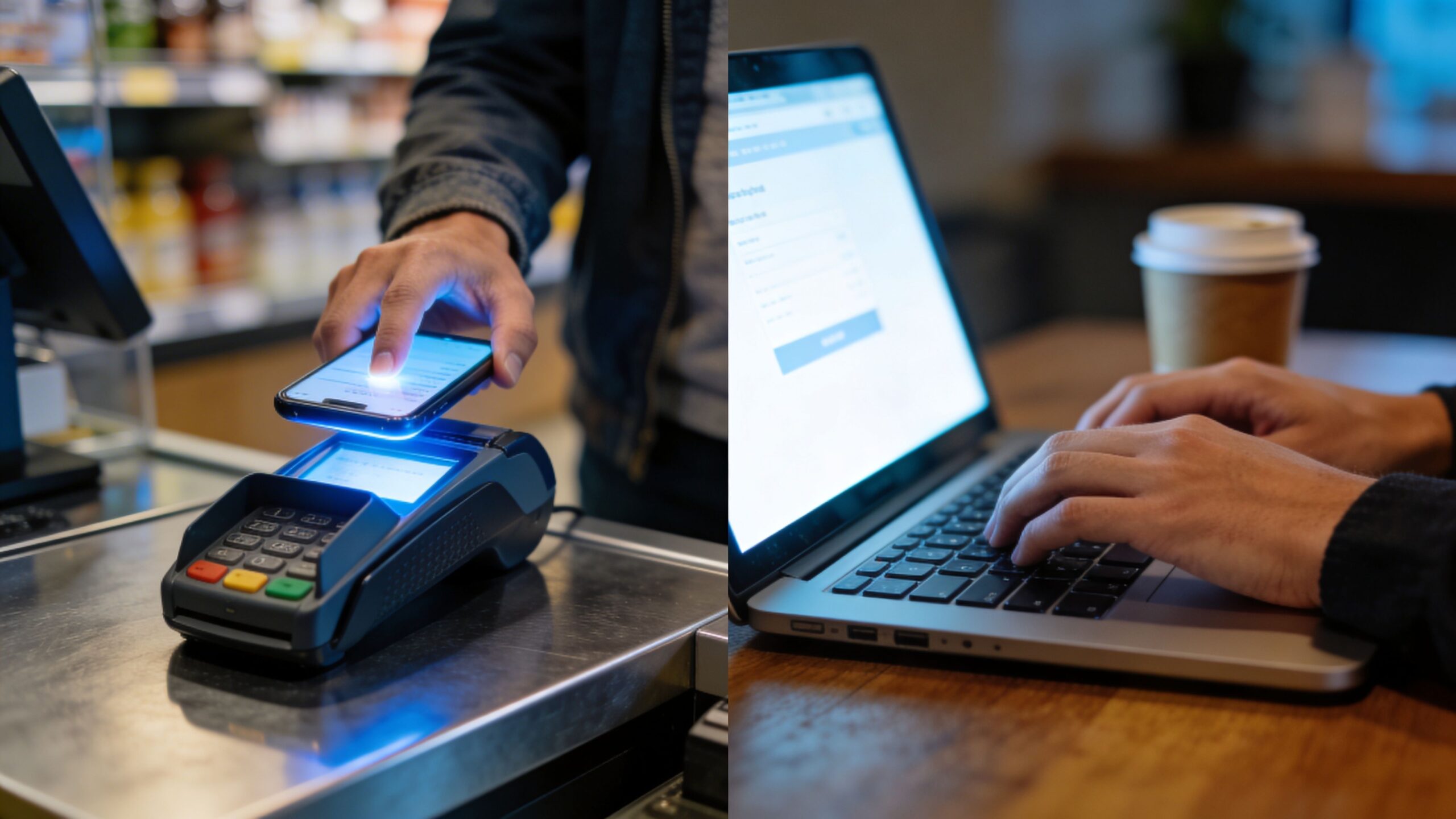
For everyday use, the distinction becomes clear. Apple Pay excels in physical retail and quick payments, while PayPal dominates in online transactions and peer-to-peer transfers.
Fees and Costs: What You Really Pay
When it comes to fees, both platforms aim to keep everyday usage accessible, but the details matter. Apple Pay is largely free for consumers. There are no charges for making purchases in stores or online, as it simply acts as a conduit for your existing debit or credit card. Any fees you encounter are tied to your card issuer, not Apple Pay itself.
PayPal also offers free standard transactions in many cases, especially for personal transfers funded by a bank account or PayPal balance. However, fees can appear more frequently depending on how you use the platform. Sending money with a credit card, converting currencies, or receiving payments as a business can all trigger charges.
For users focused on minimizing costs, Apple Pay often feels more straightforward. PayPal’s fee structure is more nuanced, reflecting its broader range of services and use cases.
Security and Privacy: Two Approaches to Protection
Security is a cornerstone of both platforms, but their methods differ significantly. Apple Pay is built around device-level security. It uses tokenization to replace your card number with a unique identifier and requires biometric authentication such as Face ID or Touch ID for every transaction. This ensures that even if your device is lost, unauthorized use is highly unlikely.
Privacy is also a defining feature. Apple does not track your transaction history for advertising purposes, positioning itself as a privacy-first platform. This approach appeals to users who prioritize data protection.
PayPal, meanwhile, focuses on account-based security. Transactions are protected through encryption, fraud monitoring, and buyer protection policies. One of PayPal’s standout features is its dispute resolution system, which allows users to contest unauthorized or problematic transactions.
While both platforms are secure, Apple Pay emphasizes prevention through hardware and biometrics, while PayPal offers robust safeguards after a transaction occurs.
Where You Can Use Them: Everyday Acceptance and Reach
Apple Pay’s usability is closely tied to the Apple ecosystem and contactless payment infrastructure. It works seamlessly in stores equipped with NFC terminals, as well as within apps and websites that support Apple Pay integration. In regions with widespread contactless adoption, it can handle most daily purchases with ease.
However, its reliance on Apple devices means it’s not universally accessible. Users without an iPhone or Apple Watch cannot take advantage of its features, which limits its reach.
PayPal takes a broader approach. It can be used on virtually any device with internet access, making it a go-to option for online shopping and international transactions. Many e-commerce platforms offer PayPal as a checkout option, and its global presence makes it particularly valuable for cross-border payments.
For everyday payments, Apple Pay may feel more natural in physical settings, while PayPal offers unmatched flexibility in digital environments.
Speed and Convenience in Real Life
In terms of speed, Apple Pay is hard to beat. A quick tap and biometric confirmation are all it takes to complete a transaction. There’s no need to fumble with cash, cards, or even open an app. This efficiency makes it ideal for fast-paced environments like coffee shops, grocery stores, and transit systems.
PayPal, while convenient, often involves more steps. Logging into an account, selecting a payment method, and confirming details can take longer, especially for in-person transactions. However, its convenience shines in scenarios where Apple Pay may not be available, such as online marketplaces or peer-to-peer payments.
Ultimately, convenience depends on context. Apple Pay excels in speed and simplicity for in-person use, while PayPal provides a versatile solution for a wider range of payment scenarios.
Peer-to-Peer Payments and Money Transfers
Both platforms offer ways to send and receive money, but their approaches differ. Apple Pay includes Apple Cash, which allows users to send money through the Messages app. The experience is intuitive and integrated, making it easy to split bills or pay friends instantly.
However, Apple Cash is primarily limited to users within the Apple ecosystem and certain regions, which can restrict its usefulness.
PayPal, by contrast, has built its reputation on peer-to-peer payments. It allows users to send money domestically and internationally, often with just an email address or phone number. This flexibility makes it a powerful tool for freelancers, small businesses, and individuals who need to move money across borders.
For everyday transfers, Apple Pay offers simplicity within its ecosystem, while PayPal provides broader reach and functionality.
Business Use and Online Shopping Power
For businesses and online shoppers, the differences between Apple Pay and PayPal become even more pronounced. Apple Pay streamlines checkout by eliminating the need to manually enter payment details. With a single tap, users can complete purchases quickly and securely, reducing friction and improving conversion rates.
PayPal, however, offers a more comprehensive suite of tools for businesses. From invoicing and subscription management to international payments and seller protection, it serves as a full-fledged financial platform. Its widespread recognition and trust also make it a preferred option for many online shoppers.
In the e-commerce space, PayPal’s versatility gives it an edge, while Apple Pay enhances the checkout experience for users within its ecosystem.
Choosing the Right Tool for Your Daily Financial Life
Deciding between Apple Pay and PayPal ultimately comes down to how you interact with money on a daily basis. If your routine involves frequent in-store purchases, quick transactions, and seamless integration with Apple devices, Apple Pay offers an unmatched level of convenience and simplicity. If, on the other hand, you rely on online shopping, international payments, or flexible money transfers, PayPal provides a broader set of tools to meet those needs. Its cross-platform compatibility and global reach make it a versatile choice for a wide range of users. In many cases, the best solution isn’t choosing one over the other, but using both strategically. Apple Pay can handle fast, everyday transactions, while PayPal can support more complex financial interactions. As digital payments continue to evolve, both platforms will play a significant role in shaping the future of how we spend, send, and manage money. Understanding their strengths and limitations allows you to make informed decisions, ensuring that your payment methods align with your lifestyle and financial goals.