As digital payments continue to replace cash and physical cards, one question sits at the center of every user’s mind: is it actually safe? Google Pay has rapidly become one of the most widely used digital wallets in the world, offering speed, convenience, and seamless integration across devices. But with that convenience comes a natural concern about security, privacy, and potential risks. In 2026, cybersecurity threats are more sophisticated than ever, and users are more aware of how their financial data is handled. Google Pay has responded to this reality by building a multi-layered security system designed to protect users at every step of the transaction process. From encryption to biometric authentication, the platform relies on advanced technology to keep your money and personal information safe. Understanding how these systems work is the key to using Google Pay with confidence.
A: Yes, it is generally considered safe when used on a secure device with screen lock, account protection, and supported payment methods.
A: Not always. Google says eligible payments can use virtual or tokenized credentials instead of exposing the physical card number directly.
A: Screen lock, device verification, account security tools, and the ability to lock or locate the phone all help reduce the risk.
A: Yes, Google Wallet says you must have a screen lock and verify it is you for payment security.
A: Many people consider it safer because of tokenization, device-based verification, and reduced exposure of full card details.
A: Yes, scams, phishing, and fake support messages can still trick users, so personal caution remains important.
A: Contact your bank right away, review your saved payment methods, and secure your Google Account and device.
A: They can, because eligible virtual card numbers help reduce repeated exposure of the actual card number online.
A: Yes, Google lets users manage, edit, and remove saved payment methods through Wallet or wallet.google.com.
A: Use one well-monitored card, turn on screen lock and account security, keep alerts enabled, and respond quickly to anything unusual.
How Google Pay Protects Your Financial Information
At its core, Google Pay is designed to minimize the exposure of your sensitive financial data. Unlike traditional payment methods where your card details are directly shared with merchants, Google Pay takes a different approach. It acts as an intermediary that shields your actual information from being exposed during transactions.
When you add a card to Google Pay, your information is stored securely and encrypted. This means that even if someone were to intercept data, it would be unreadable without the proper decryption keys. The platform also relies on secure servers and infrastructure managed by Google, which are constantly monitored and updated to defend against potential threats.
Another key aspect of protection is how Google Pay limits data sharing. Merchants never see your actual card number. Instead, they receive a virtual identifier that represents your payment method. This reduces the chances of your financial information being compromised during purchases.
Tokenization: The Invisible Shield Behind Every Payment
One of the most important security features behind Google Pay is tokenization. While it may sound technical, the concept is simple and incredibly powerful. Instead of transmitting your real card number when you make a payment, Google Pay generates a unique token, or virtual account number, that stands in for your card.
Each transaction uses a different token, making it nearly impossible for hackers to reuse stolen information. Even if a token were somehow intercepted, it would be useless outside of that specific transaction. This system dramatically reduces the risk of fraud compared to traditional card payments.
Tokenization also plays a role in protecting your data during storage. Your actual card details are never stored on your device or shared with merchants. Instead, they are kept securely in encrypted environments, while tokens handle the transaction process. This separation adds another layer of defense that keeps your financial information out of reach.
Biometric Authentication and Device Security
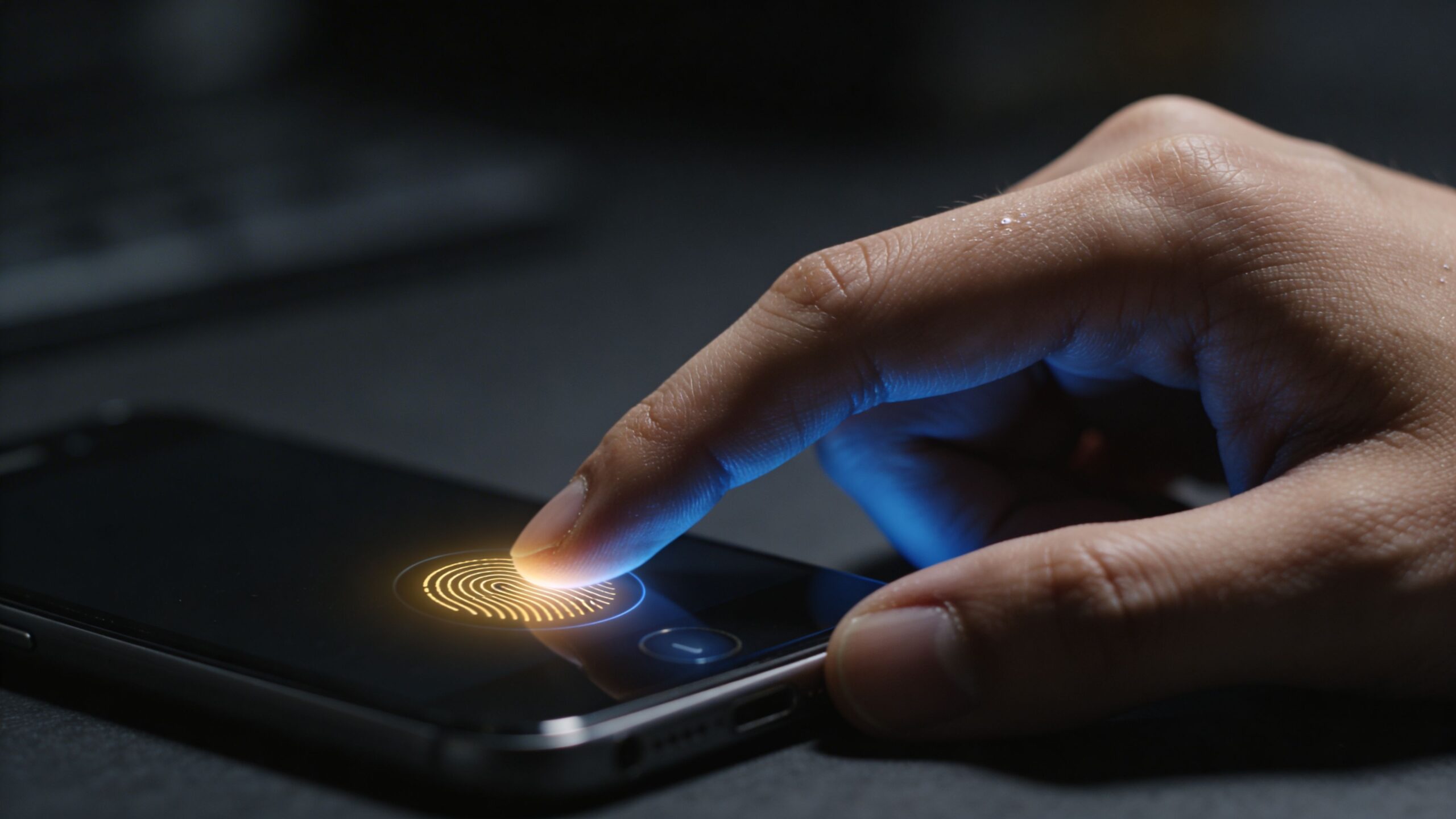
Another major factor that makes Google Pay safe is its reliance on device-level security. Before any payment is authorized, you must verify your identity using a secure method. This typically includes biometric authentication such as fingerprint scanning or facial recognition, along with traditional options like PINs or passcodes.
These authentication methods ensure that even if your phone is lost or stolen, unauthorized users cannot easily access your payment methods. Modern smartphones are designed with secure hardware components that store biometric data separately from the rest of the system, adding another layer of protection.
Google Pay also requires that your device have a screen lock enabled before you can use contactless payments. This simple requirement significantly reduces the risk of accidental or unauthorized transactions. Combined with biometric verification, it creates a secure environment where only the device owner can initiate payments.
Encryption and Real-Time Fraud Monitoring
Encryption is one of the foundational technologies that keep Google Pay secure. Every piece of data transmitted during a transaction is encrypted, meaning it is converted into a secure format that cannot be easily understood by unauthorized parties. This applies to both the information stored on your device and the data sent during payments.
In addition to encryption, Google Pay benefits from real-time fraud monitoring systems. These systems analyze transaction patterns and look for unusual behavior that could indicate fraudulent activity. If something suspicious is detected, the system can flag the transaction or prompt additional verification steps.
This proactive approach to security helps prevent fraud before it happens, rather than simply reacting after the fact. Users are also notified of transactions in real time, allowing them to quickly identify and respond to any unauthorized activity. This combination of encryption and monitoring creates a dynamic security system that adapts to emerging threats.
Privacy Controls and Data Transparency
Beyond protecting your money, Google Pay also places a strong emphasis on user privacy. In a world where data is increasingly valuable, understanding how your information is used is just as important as keeping it secure.
Google Pay allows users to control what data is shared and how it is used. Transaction details are stored within your account, but you have the ability to manage your activity and adjust privacy settings. Google does not sell your personal transaction data to third parties, and sensitive financial information is handled with strict confidentiality.
Transparency is another key component. Users can view their transaction history, monitor activity, and receive notifications for every payment. This level of visibility helps build trust and ensures that you are always aware of how your account is being used.
By combining strong privacy policies with user-friendly controls, Google Pay gives you both security and peace of mind when managing your finances.
Common Security Concerns and Misconceptions
Despite its advanced security features, some users still have concerns about using Google Pay. One common misconception is that storing payment information on a phone is inherently risky. In reality, digital wallets like Google Pay are often more secure than physical cards, which can be lost, stolen, or skimmed.
Another concern is the possibility of hacking. While no system is completely immune to cyber threats, Google Pay’s layered security approach makes it extremely difficult for attackers to access sensitive information. Features like tokenization, encryption, and biometric authentication work together to create multiple barriers against unauthorized access.
Some users also worry about accidental payments. However, Google Pay requires user authentication before completing transactions, making it unlikely that a payment would occur without your knowledge. These safeguards are designed to prevent both intentional and accidental misuse.
Understanding these misconceptions helps clarify why Google Pay is considered a safe option for modern payments.
Tips for Keeping Your Google Pay Account Secure
While Google Pay provides robust security features, users also play an important role in maintaining account safety. Practicing good digital habits can further reduce the risk of issues and ensure a smooth experience.
Keeping your device updated is one of the simplest yet most effective steps. Software updates often include security patches that protect against new vulnerabilities. Using a strong screen lock and enabling biometric authentication adds another layer of defense.
It is also important to be cautious with public Wi-Fi networks and avoid sharing sensitive information on unsecured connections. Monitoring your transaction history regularly can help you quickly spot any unusual activity.
By combining Google Pay’s built-in security with responsible usage, you can create a highly secure environment for managing your finances.
Why Google Pay Is Considered One of the Safest Payment Methods Today
In the rapidly evolving world of digital finance, Google Pay stands out as one of the safest and most reliable payment platforms available. Its combination of tokenization, encryption, biometric authentication, and real-time monitoring creates a comprehensive security system that protects users at every stage of the transaction process. What makes Google Pay particularly compelling is how it balances security with convenience. Users can make fast, seamless payments without sacrificing protection, making it an ideal solution for modern lifestyles. As technology continues to advance, Google Pay is likely to introduce even more sophisticated security features, further strengthening its position in the market. For anyone wondering whether Google Pay is safe, the answer is clear. With its advanced security measures and user-focused design, it offers a level of protection that often exceeds traditional payment methods. By understanding how these features work, you can confidently embrace digital payments and enjoy the convenience they bring without compromising your financial security.