The way people pay has undergone a dramatic transformation over the past decade, and by 2026, mobile wallets have become the default method for millions of users worldwide. At the center of this shift are two dominant players: Google Pay and Apple Pay. These platforms have redefined how we interact with money, offering fast, secure, and seamless payment experiences that fit perfectly into modern digital lifestyles.
A: Apple Pay wins for Apple ecosystem smoothness, while Google Wallet and Google Pay win for Android flexibility and broader device variety.
A: Yes, but for many users Google Wallet handles tap-to-pay, while Google Pay still appears for online and in-app checkout flows.
A: Apple Pay often feels more consistent on Apple devices, while Google Wallet setup can vary a bit more by Android phone and bank.
A: Both are designed to be secure and use device-based protections, though Apple strongly emphasizes privacy and unique transaction security codes.
A: Google’s ecosystem generally spans a wider range of Android hardware, while Apple Pay is limited to Apple devices only.
A: Apple Pay often has the edge for smartwatch polish on Apple Watch, while Google works well on supported Wear OS devices.
A: Apple Pay is especially strong on Safari and Apple hardware, while Google Pay checkout appears across many apps and websites.
A: Usually no for standard purchases, though your bank or merchant can still add their own charges.
A: No, Apple Pay is for Apple devices, just as Google Wallet’s full tap-to-pay experience is mainly for Android and supported wearables.
A: Use the wallet built for the phone ecosystem you already own, because that is where the experience will usually be fastest and most reliable.
Design Philosophy and User Experience
One of the most noticeable differences between Google Pay and Apple Pay lies in their design approach. Apple Pay reflects Apple’s signature philosophy of simplicity and tight integration. It is deeply embedded into the Apple ecosystem, meaning it works effortlessly across iPhones, Apple Watches, iPads, and Macs. The interface is clean, intuitive, and consistent, making it easy for users to navigate without a learning curve.
Google Pay, on the other hand, embraces flexibility and versatility. It is designed to work across a wide range of devices and platforms, particularly within the Android ecosystem. The interface is slightly more feature-rich, offering additional insights and customization options. While this can make it feel more dynamic, it may also appear less minimal compared to Apple Pay.
In everyday use, Apple Pay often feels more streamlined, while Google Pay provides a broader set of tools and integrations. The choice between the two often comes down to whether you prioritize simplicity or customization.
Device Compatibility and Ecosystem Power
Device compatibility is one of the most defining factors in this comparison. Apple Pay is exclusive to Apple devices, which means it works only within the Apple ecosystem. While this limitation might seem restrictive, it also allows Apple to optimize performance and create a highly cohesive experience across its products.
Google Pay takes a more inclusive approach. It is available on most Android devices and can also be used on web platforms, making it accessible to a wider audience. This flexibility is a major advantage for users who do not want to be locked into a single hardware ecosystem.
In 2026, ecosystem integration has become even more important. Apple Pay benefits from deep connections with Apple services, such as iMessage, Apple Wallet, and FaceTime-based transactions. Google Pay integrates seamlessly with Google services like Gmail, Google Maps, and Google Assistant, offering context-aware features that enhance usability.
Ultimately, Apple Pay excels in a closed, highly optimized environment, while Google Pay thrives in an open, widely accessible ecosystem.
Payment Features and Everyday Functionality
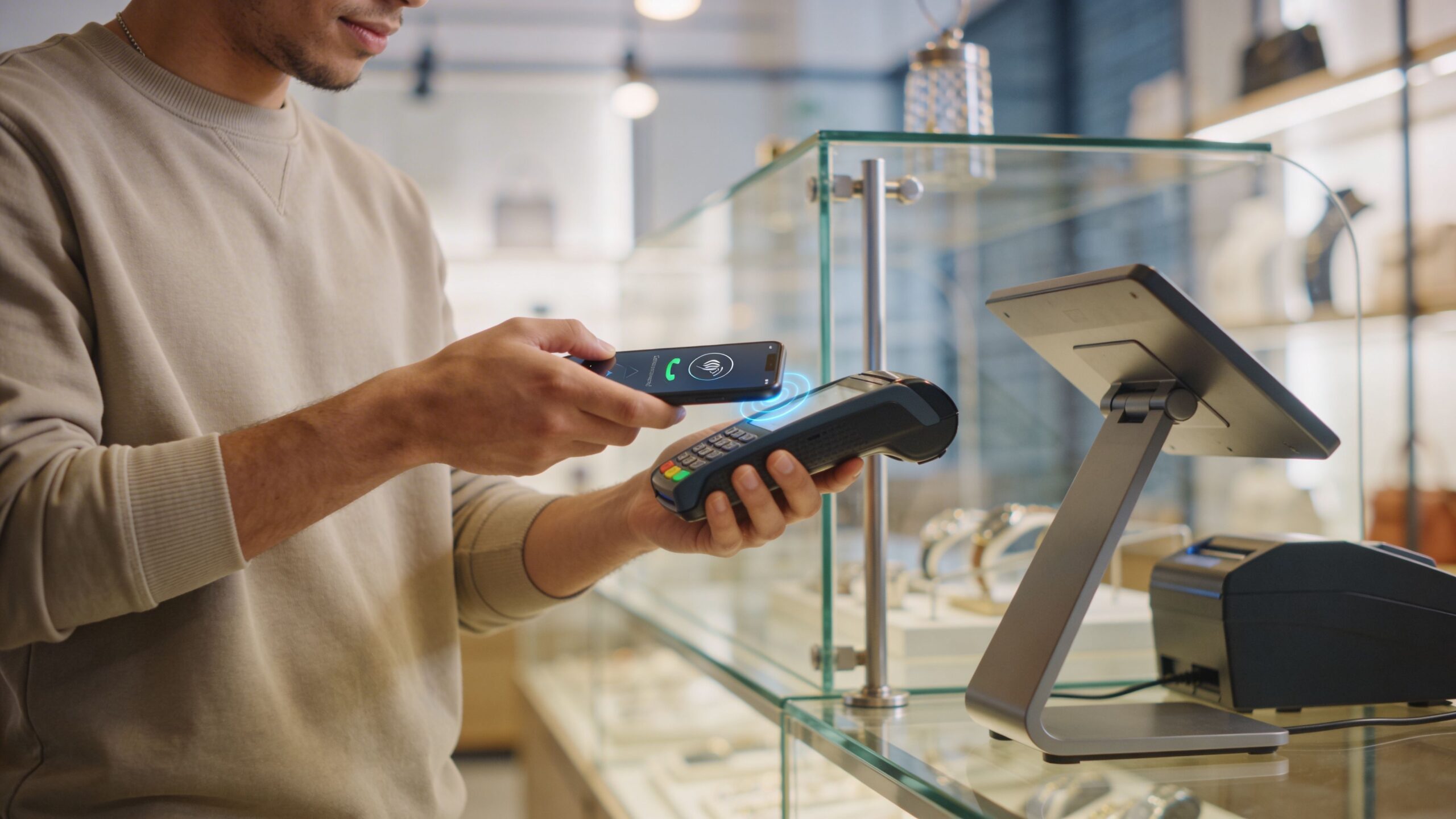
Both Google Pay and Apple Pay offer a robust set of payment features, but they approach functionality in slightly different ways. At their core, both platforms support contactless payments in stores, online purchases, and peer-to-peer money transfers.
Apple Pay focuses on delivering a smooth and consistent experience across all these use cases. Transactions are fast, reliable, and require minimal input from the user. The platform also integrates well with apps and websites, allowing for quick checkouts without entering payment details.
Google Pay expands on this foundation by offering additional features such as spending insights, transaction categorization, and personalized recommendations. These tools help users better understand their financial habits and manage their money more effectively.
In terms of versatility, Google Pay often has the edge due to its broader feature set. However, Apple Pay’s strength lies in its simplicity and reliability, making it a favorite for users who prefer a straightforward payment experience.
Security Showdown: Which Platform Protects You Better
Security is one of the most critical aspects of any mobile wallet, and both Google Pay and Apple Pay take it very seriously. Both platforms use advanced technologies such as tokenization, encryption, and biometric authentication to protect user data.
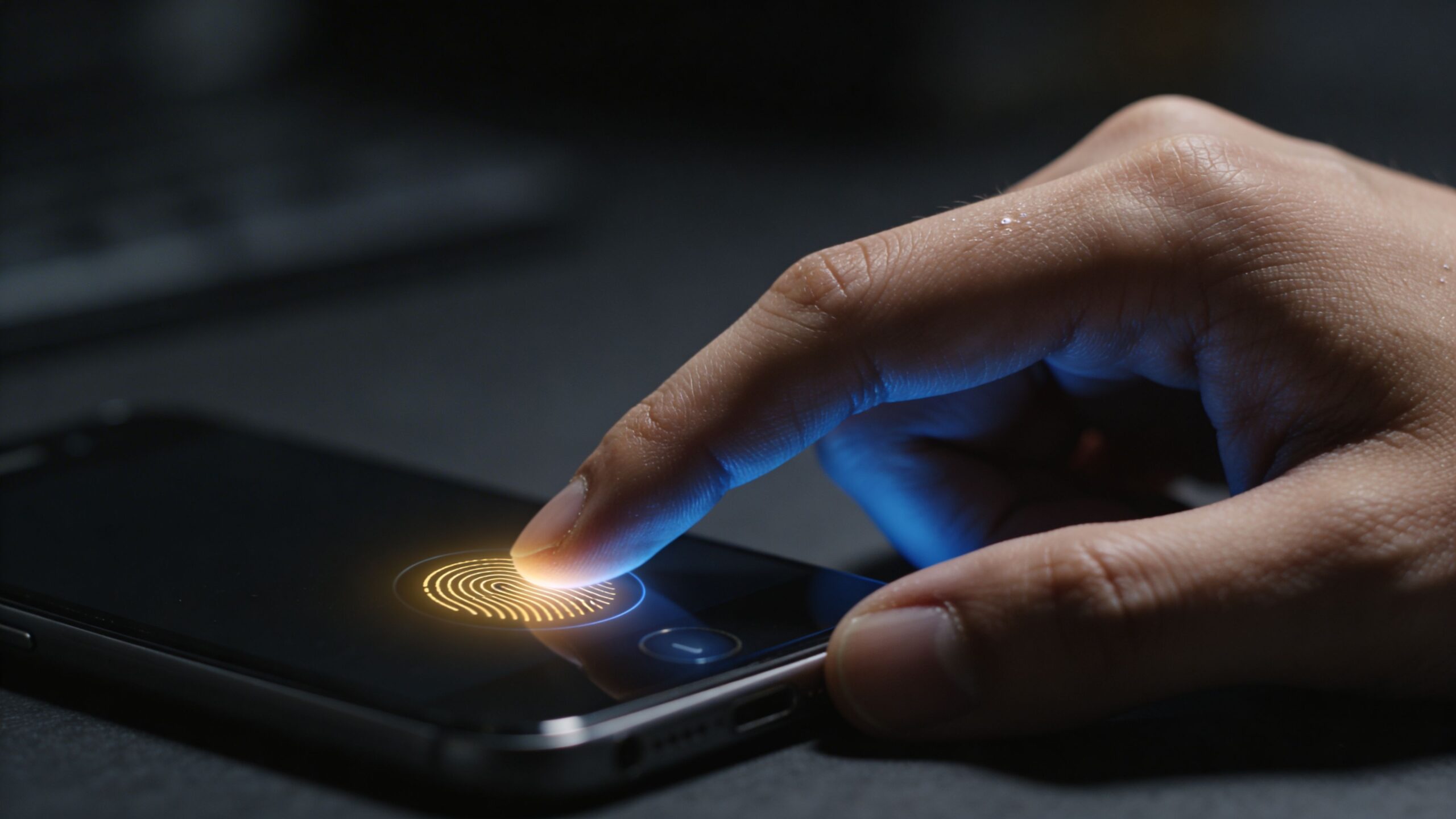
Apple Pay is known for its strong emphasis on privacy. It uses device-specific tokens and does not store transaction details on Apple servers. Biometric authentication through Face ID or Touch ID ensures that only the device owner can authorize payments.
Google Pay also employs tokenization and encryption, along with real-time fraud monitoring systems. It adds an extra layer of protection through its integration with Google’s broader security infrastructure, which continuously scans for threats and suspicious activity.
In practical terms, both platforms offer an extremely high level of security. Apple Pay may appeal more to users who prioritize privacy and minimal data sharing, while Google Pay offers a slightly more dynamic approach with proactive fraud detection and monitoring.
Global Reach and Acceptance
When it comes to global availability, both platforms have made significant strides, but there are still differences worth noting. Apple Pay is widely accepted in many developed markets and continues to expand its reach. However, its availability can be limited in certain regions due to banking partnerships and regulatory factors.
Google Pay tends to have broader global coverage, particularly in emerging markets. Its flexibility and compatibility with a wide range of devices make it more accessible to users in diverse regions. This has helped it gain a strong foothold in countries where Android devices dominate the market.
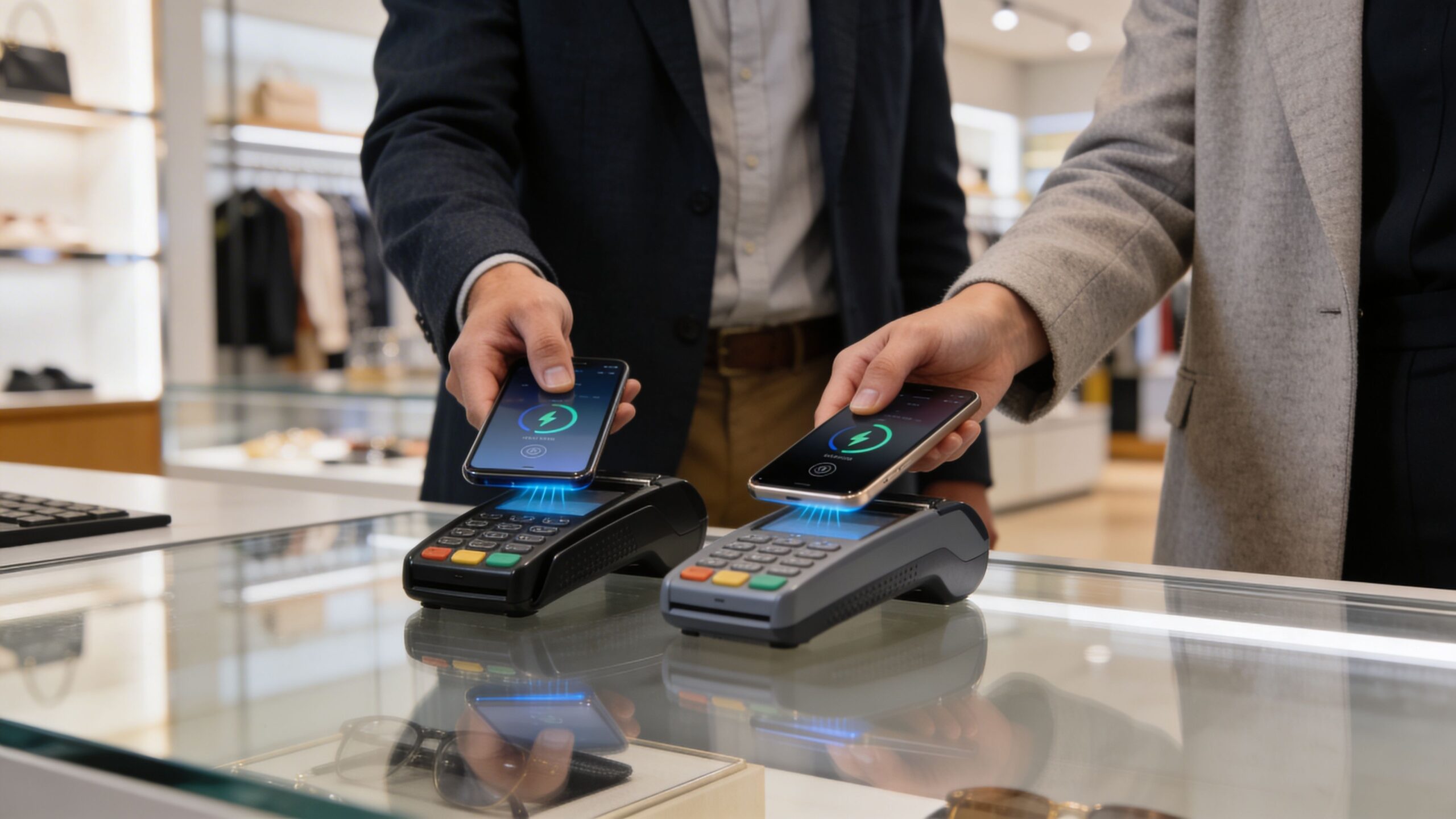
Acceptance at merchants is generally high for both platforms, especially in areas with widespread contactless payment infrastructure. In 2026, it is increasingly common to see both Google Pay and Apple Pay supported at major retailers, making them equally viable for everyday use in many locations.
Rewards, Offers, and Added Value
Beyond basic payments, both platforms offer additional incentives that enhance their appeal. Apple Pay integrates with Apple Card and other financial services, providing cashback rewards and seamless financial tracking within the Apple ecosystem.
Google Pay takes a more expansive approach to rewards. It frequently offers promotions, discounts, and cashback deals through partnerships with retailers and service providers. These incentives can vary by region but often provide tangible value for users who regularly use the platform.
Google Pay also stands out for its ability to deliver personalized offers based on user behavior. This creates a more dynamic experience, where users can discover deals and savings opportunities directly within the app.
While Apple Pay offers a more controlled and integrated rewards system, Google Pay provides a broader range of incentives that can make everyday spending more rewarding.
Real-World Performance and User Preferences
In real-world scenarios, both Google Pay and Apple Pay perform exceptionally well. Transactions are fast, reliable, and secure, making them suitable for a wide range of situations. However, user preferences often depend on individual habits and device choices.
Apple Pay users tend to value the seamless integration with their devices and the consistent experience across Apple products. The platform feels like a natural extension of the Apple ecosystem, requiring minimal effort to use.
Google Pay users often appreciate the flexibility and additional features that enhance financial management. The ability to access insights, track spending, and receive personalized recommendations adds a layer of functionality that goes beyond simple payments.
Performance differences are minimal in most cases, meaning the decision often comes down to personal preference and ecosystem alignment rather than technical limitations.
Choosing the Right Mobile Wallet for Your Lifestyle
As mobile wallets continue to shape the future of payments, both Google Pay and Apple Pay have established themselves as leaders in the space. Each platform offers a powerful combination of convenience, security, and innovation, making them excellent choices for modern consumers. If you are deeply invested in the Apple ecosystem and value simplicity, Apple Pay is likely the better fit. Its seamless integration and privacy-focused design create a smooth and reliable experience that feels effortless to use. If you prefer flexibility, broader compatibility, and additional features, Google Pay may be the stronger option. Its ability to work across multiple devices and provide deeper financial insights makes it a versatile tool for managing everyday transactions. In 2026, there is no single winner that fits everyone. Instead, the best mobile wallet is the one that aligns with your devices, habits, and priorities. By understanding the strengths of each platform, you can choose the one that enhances your daily life and keeps you connected to the evolving world of digital payments.