In a world where speed, convenience, and security define how we handle money, digital wallets have moved from a novelty to a necessity. Among the most widely used and rapidly evolving platforms is Google Pay, a service that has transformed the way people send money, shop online, and pay in stores. As we move into 2026, Google Pay is no longer just a payment app—it is a complete financial ecosystem designed to simplify everyday transactions while integrating seamlessly into the broader digital lifestyle. For beginners, understanding Google Pay can feel overwhelming at first. Terms like contactless payments, tokenization, and peer-to-peer transfers may sound technical, but at its core, Google Pay is designed to make paying for things easier and more secure than ever before. This guide breaks everything down in a clear, engaging way so you can confidently understand how Google Pay works, what it offers, and why it continues to grow in popularity across the globe.
A: Not exactly. In many places, Google Wallet handles stored cards and tap-to-pay, while Google Pay still appears as an online checkout experience.
A: For many Wallet tap-to-pay features, yes, though online Google Pay checkout experiences can vary by platform and merchant.
A: Google says there are no fees for making purchases on Google services, but your bank or merchant can still apply their own charges.
A: Yes, where contactless payments and supported cards are accepted, typically through Google Wallet-enabled tap-to-pay.
A: Your bank may not support it, the region may differ, verification may be incomplete, or the device security settings may not meet requirements.
A: Many users consider it safer because digital wallets add layers like device security and tokenized payment handling.
A: Usually yes, but the refund typically returns to the original card or payment method used in the purchase.
A: You may lose access to mobile wallet payments until the device powers back on, so carrying a backup card can help.
A: Yes, most users can save more than one supported card and choose which one to use.
A: Add one main card, verify it, enable screen lock, test a small purchase, and keep one backup payment option nearby.
What Google Pay Actually Is and How It Works
Google Pay is a digital wallet and online payment platform developed by Google that allows users to store payment methods, send and receive money, and make purchases both online and in physical stores. Instead of carrying physical credit cards, debit cards, or cash, users can store everything securely within the app and use their smartphone, smartwatch, or other compatible devices to pay.
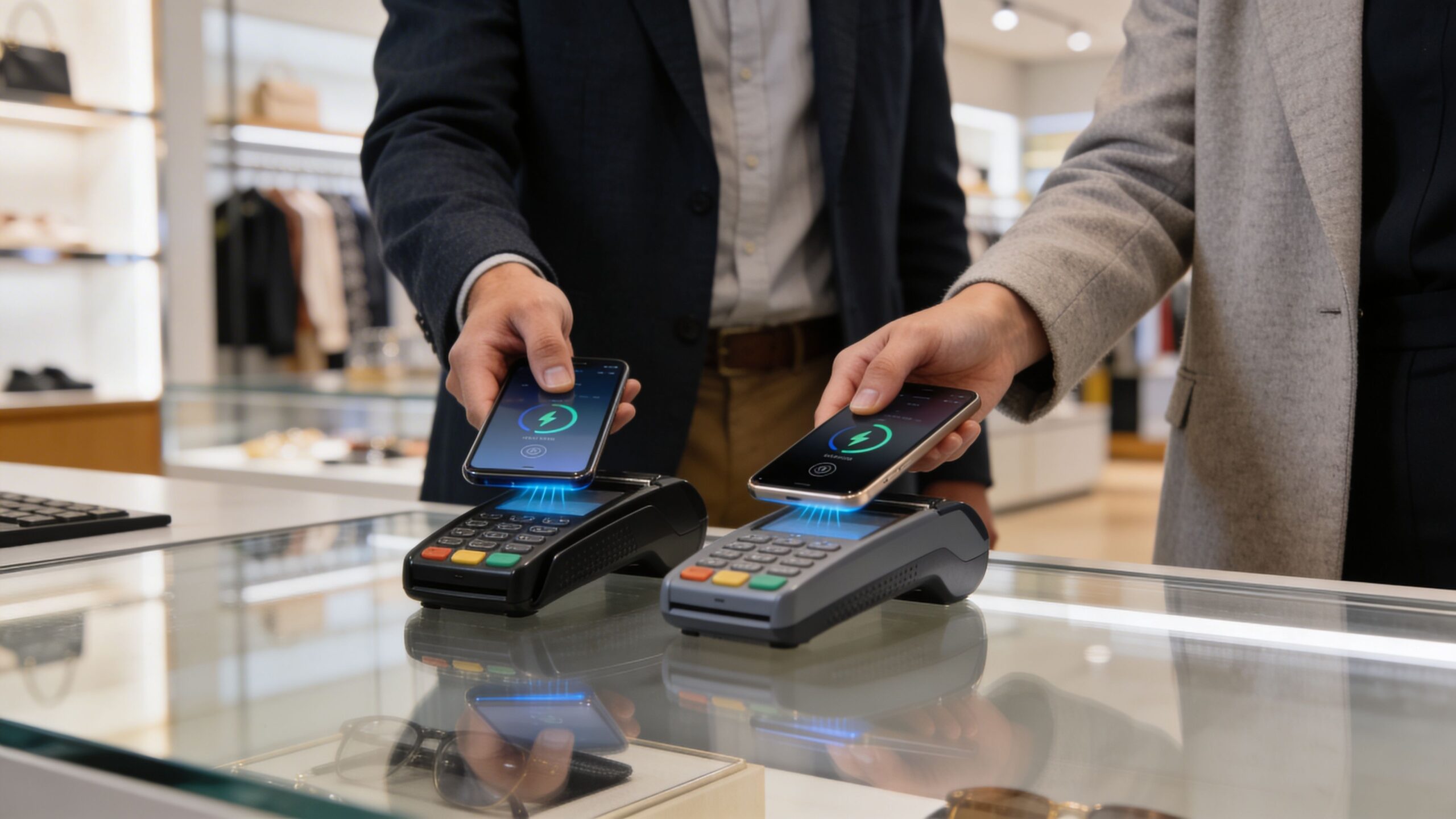
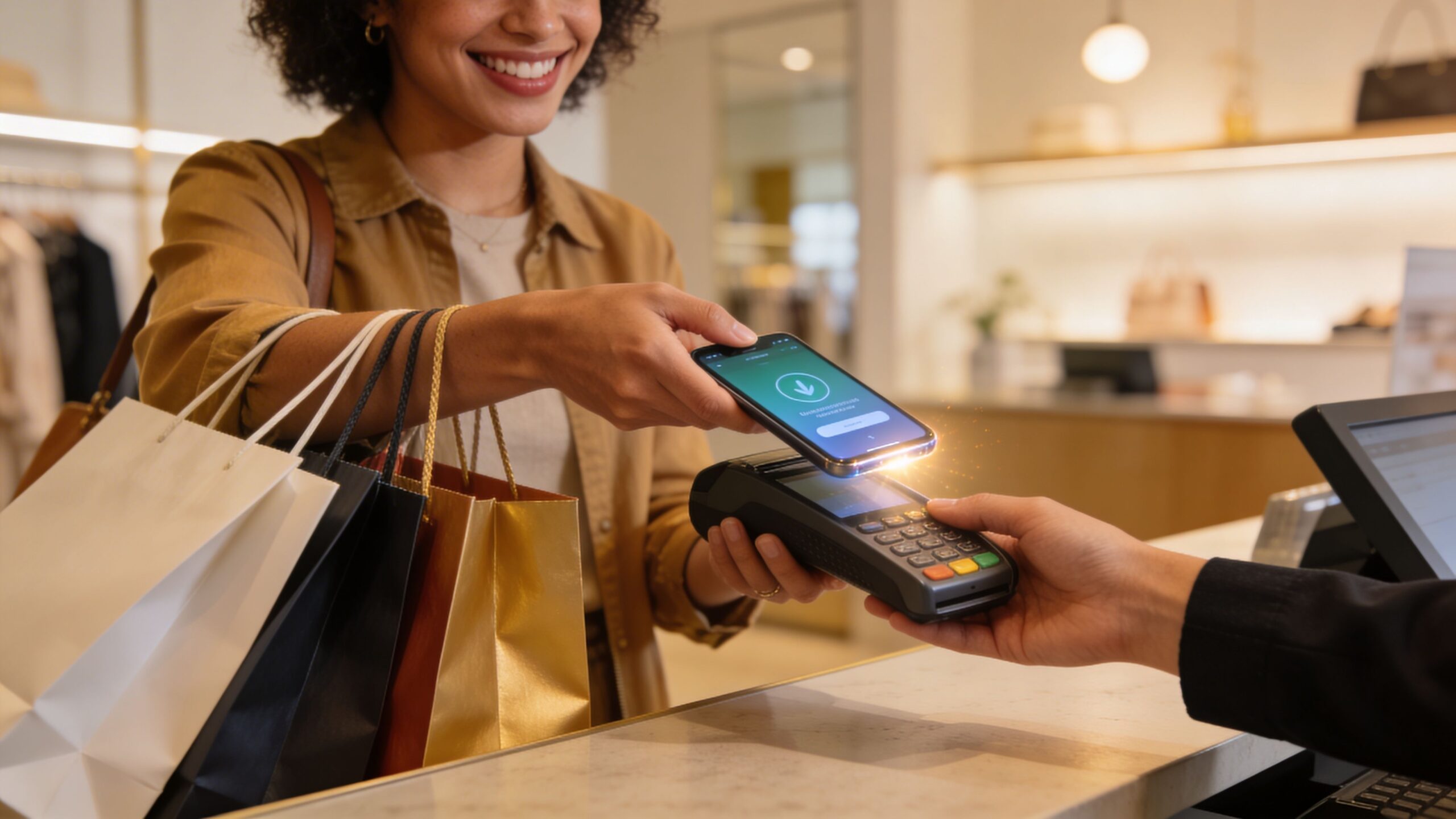
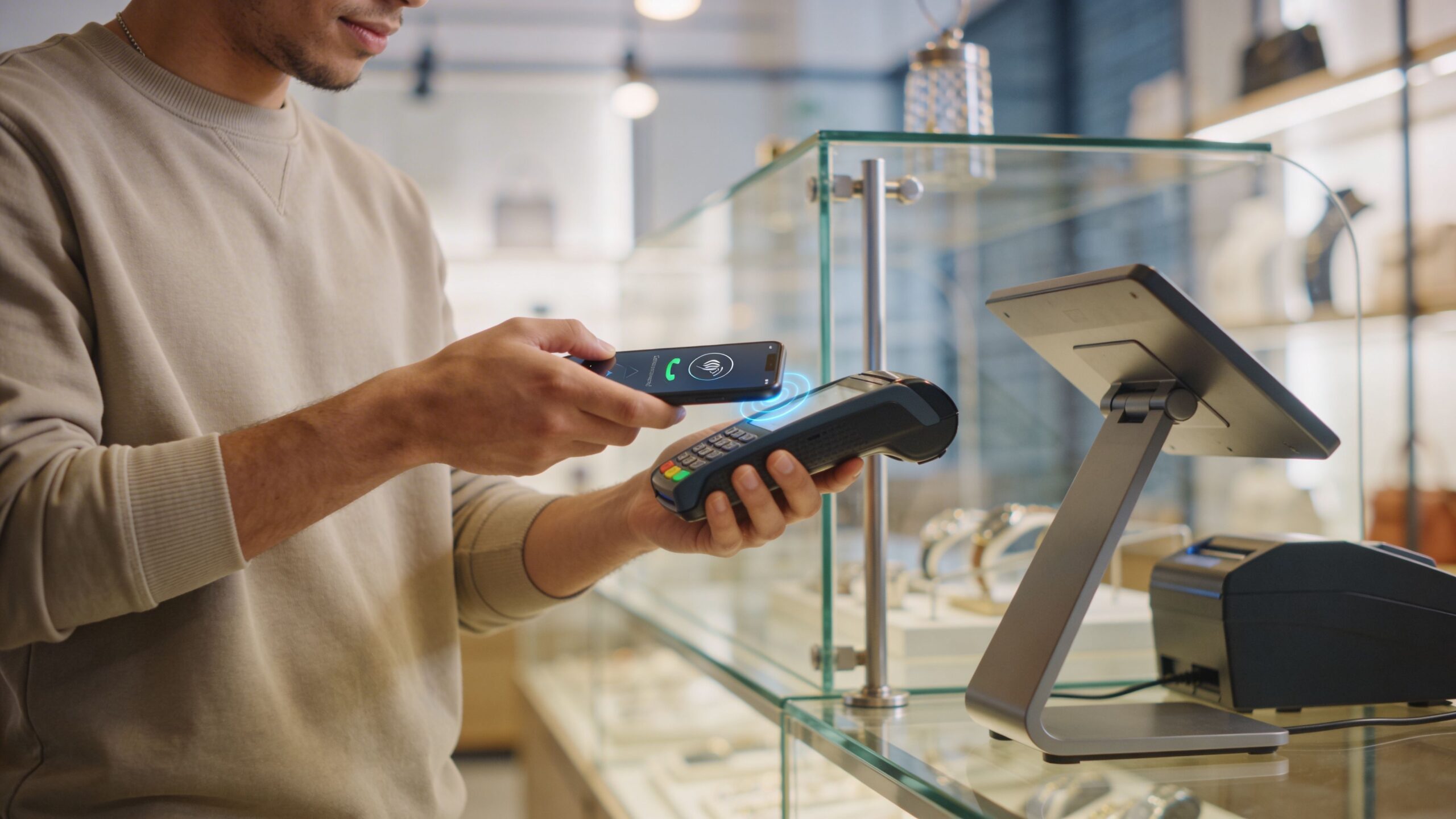
At its core, Google Pay works by linking your financial accounts—such as credit cards, debit cards, or bank accounts—to your device. When you make a payment, Google Pay uses a technology called near-field communication, often referred to as NFC, to communicate with payment terminals. This allows you to simply tap your phone at checkout instead of swiping a card or handing over cash.
One of the key innovations behind Google Pay is tokenization. Instead of transmitting your actual card number during a transaction, the system generates a unique virtual number. This means your sensitive financial information is never directly shared with merchants, significantly reducing the risk of fraud.
Why Google Pay Has Become So Popular
The rise of Google Pay is closely tied to broader changes in consumer behavior. People expect faster, safer, and more convenient ways to manage their finances, and Google Pay delivers on all three fronts. Its popularity has grown rapidly because it integrates naturally with the Android ecosystem while also expanding support across web platforms and other devices.
Convenience is one of the biggest drivers. With Google Pay, there is no need to carry multiple cards or worry about forgetting your wallet. Everything you need is stored securely on your device, accessible with just a few taps. Payments become nearly instantaneous, whether you are buying coffee at a local shop or checking out online.
Security is another major factor. With built-in encryption, biometric authentication, and tokenized transactions, Google Pay offers multiple layers of protection. Users can verify payments using fingerprints, facial recognition, or device passcodes, making unauthorized access extremely difficult.
Additionally, Google Pay has evolved beyond simple payments. It now includes features like transaction tracking, budgeting insights, loyalty card storage, and even ticket management. This expansion has turned it into a multifunctional financial tool rather than just a payment method.
Setting Up Google Pay for the First Time
Getting started with Google Pay is surprisingly simple, even for beginners. The process begins by downloading the Google Pay app from your device’s app store or accessing it through Google services on your phone. Once installed, the app guides you through a straightforward setup process.
You begin by signing in with your Google account, which acts as the central hub for your information. From there, you can add payment methods by entering your card details or linking your bank account. Many banks support instant verification, allowing you to start using Google Pay almost immediately.
Once your payment methods are added, you can customize your experience by selecting a default card, enabling contactless payments, and setting up security features like fingerprint or facial recognition. These steps ensure that your account is both easy to use and highly secure.
After setup, Google Pay is ready to use in a variety of scenarios. Whether you are shopping online, paying at a physical store, or sending money to friends, the app centralizes everything into one intuitive interface. For most users, the learning curve is minimal, and the convenience quickly becomes second nature.
Where and How You Can Use Google Pay
Google Pay is incredibly versatile, making it useful in a wide range of everyday situations. One of its most common uses is for contactless payments in physical stores. Many retailers now support tap-to-pay terminals, allowing you to complete a transaction simply by holding your phone near the reader.
Online shopping is another major use case. When checking out on websites or apps that support Google Pay, you can select it as your payment method and complete the purchase without manually entering your card details. This not only speeds up the process but also reduces the risk of errors or security issues.
Peer-to-peer payments are also a key feature. Google Pay allows you to send money directly to friends and family using just their phone number or email address. This makes splitting bills, paying rent, or reimbursing someone incredibly easy.
In addition to payments, Google Pay can store loyalty cards, boarding passes, event tickets, and even digital IDs in some regions. This transforms your phone into a comprehensive digital wallet that goes far beyond traditional payment methods.
Security Features That Protect Your Money
Security is one of the most important aspects of any financial platform, and Google Pay has invested heavily in ensuring user protection. At the foundation of its security system is encryption, which protects your data both during transmission and while stored on your device.
Tokenization plays a crucial role in safeguarding transactions. By replacing your actual card number with a unique virtual identifier, Google Pay ensures that even if transaction data is intercepted, it cannot be used to access your real account information. This significantly reduces the risk of fraud.
Another layer of protection comes from device authentication. Before completing a transaction, users must verify their identity using biometric methods like fingerprints or facial recognition, or by entering a secure passcode. This ensures that even if your device is lost or stolen, unauthorized users cannot easily make payments.
Google Pay also provides real-time transaction notifications, allowing you to monitor activity instantly. If something looks suspicious, you can quickly take action by locking your account or contacting your bank. These features combine to create a robust security framework that gives users peace of mind.
Key Features That Make Google Pay Stand Out in 2026
As digital payment platforms continue to evolve, Google Pay has introduced a range of features that set it apart from competitors. One of the most notable is its integration with the broader Google ecosystem. This means seamless connections with services like Gmail, Google Maps, and Google Assistant, making transactions more intuitive and context-aware.
Another standout feature is personalized insights. Google Pay can analyze your spending habits and provide useful summaries, helping you understand where your money is going. This makes it not just a payment tool, but also a financial management assistant.
Rewards and offers are also a major draw. Many users receive cashback, discounts, or promotional deals when using Google Pay at participating merchants. These incentives add value to everyday transactions and encourage continued use.
In 2026, Google Pay has also expanded its support for international payments and multi-currency transactions. This makes it especially useful for travelers or anyone dealing with global transactions, further solidifying its role as a comprehensive financial platform.
Common Questions Beginners Have About Google Pay
For those new to digital wallets, several common questions often come up. One of the most frequent is whether Google Pay is free to use. In most cases, the app itself does not charge fees for standard transactions, though your bank or card issuer may have their own policies.
Another common concern is compatibility. Google Pay works on most modern Android devices and is also supported on certain web platforms. However, the availability of features may vary depending on your location and financial institution.
Users also often wonder about internet requirements. While an internet connection is typically needed for setup and some transactions, contactless payments can sometimes be completed offline thanks to stored tokens on the device.
Finally, many people ask about reliability. Google Pay is widely accepted and continues to expand its reach, but acceptance may vary by region and merchant. As adoption grows, however, it is becoming increasingly common to see Google Pay supported almost everywhere.
The Future of Google Pay and Digital Payments
Looking ahead, Google Pay is poised to play an even bigger role in the future of finance. As technology continues to advance, we can expect deeper integration with emerging tools like artificial intelligence, biometric authentication, and even digital identity systems. The shift toward cashless societies is accelerating, and platforms like Google Pay are at the forefront of this transformation. With ongoing improvements in security, usability, and global accessibility, digital wallets are becoming the standard rather than the exception. In the coming years, Google Pay is likely to expand its capabilities even further, potentially incorporating features like automated budgeting, enhanced financial planning tools, and more advanced fraud detection systems. These innovations will continue to reshape how people interact with money on a daily basis. Ultimately, Google Pay represents more than just a convenient way to pay. It is a glimpse into the future of financial technology, where transactions are seamless, secure, and fully integrated into our digital lives. For beginners stepping into this world in 2026, understanding Google Pay is not just helpful—it is essential for navigating the modern economy with confidence.